 Save
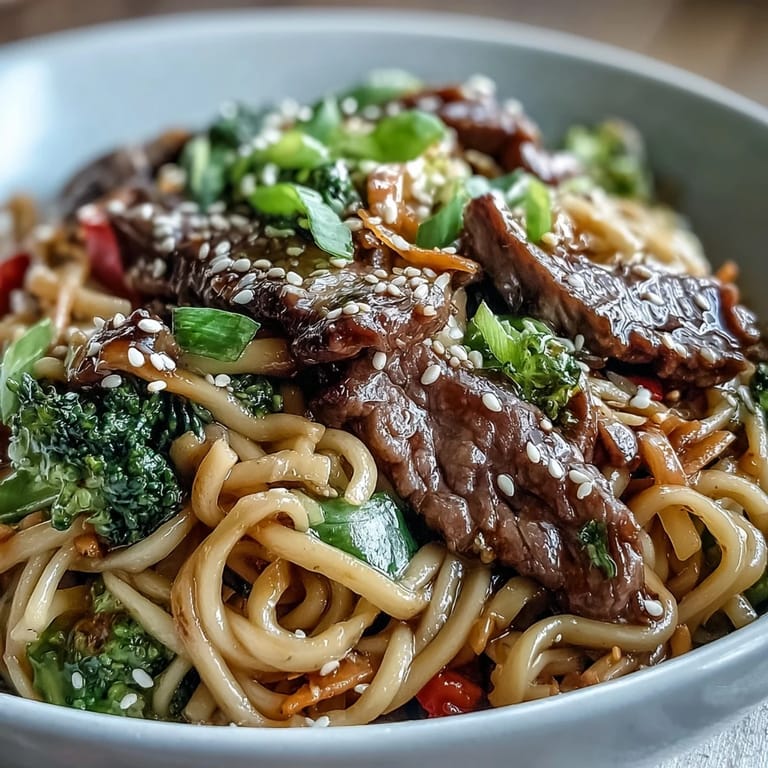
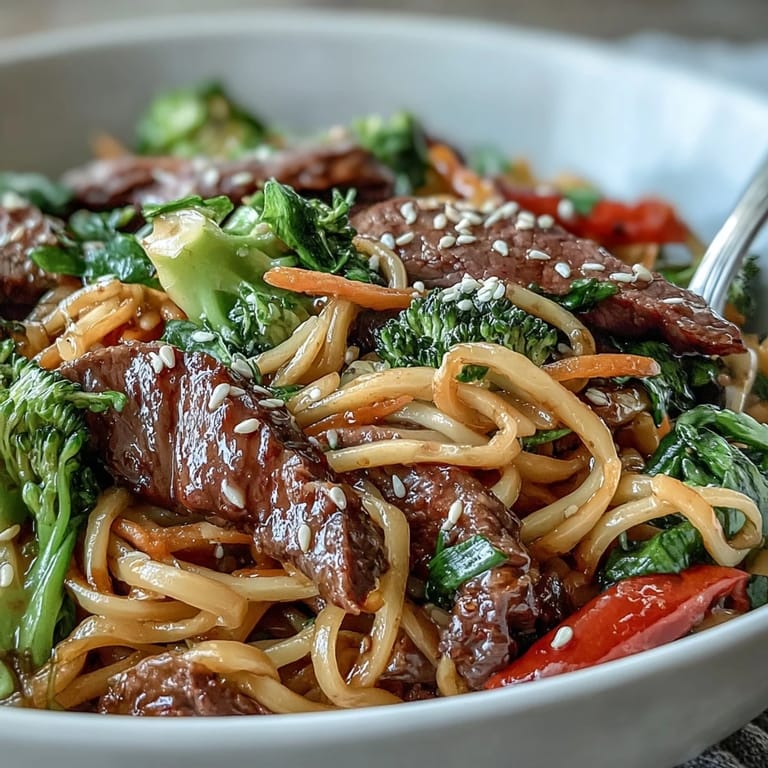
Save My tiny apartment kitchen smelled like a Seoul street stall the first time I made these noodles. I'd been craving something with that perfect balance of savory and sweet, but takeout wasn't in the budget that month. The sauce hit the hot pan and caramelized instantly, that telltale soy-ginger fragrance wafting up to make my stomach growl embarrassingly loud. Now this recipe lives in my weekly rotation because it delivers restaurant-quality results in under 40 minutes.
My roommate wandered in mid-stir-fry, drawn by the aroma, and ended up eating straight from the wok with a fork. We stood there in the kitchen, steam rising between us, taking turns sneaking strips of beef before I could even finish tossing everything together. That impromptu dinner became our Friday tradition, something we'd look forward to all week during our busiest semester.
Ingredients
- 8 ounces rice noodles: These delicate strands soak up the sauce beautifully and have just the right amount of chew
- 1 pound flank steak, thinly sliced against the grain: Cutting against the muscle fibers makes every bite melt-in-your-mouth tender
- 1 cup broccoli florets: Adds fresh crunch and a pop of color that makes the bowl feel vibrant
- 1 bell pepper, sliced: Red or yellow brings natural sweetness that balances the salty soy sauce
- 1 carrot, julienned: These thin ribbons cook quickly while maintaining a satisfying crunch
- 2 green onions, chopped: A fresh garnish that cuts through the rich sauce with mild onion bite
- 3 cloves garlic, minced: Fresh minced garlic offers aromatic depth that powder can never replicate
- 1 teaspoon ginger, grated: Grating releases the most flavorful juices and eliminates fibrous strings
- 1/3 cup soy sauce: The foundation of savory umami that anchors the entire dish
- 2 tablespoons brown sugar: Creates that gorgeous caramelized finish and tempers the saltiness
- 1 tablespoon sesame oil: Toasted sesame oil adds that unmistakable nutty finish at the very end
- 2 tablespoons vegetable oil: High-heat oil for stir-frying without smoking or burning
- Sesame seeds: Sprinkled on top for that final restaurant-worthy presentation touch
Tired of Takeout? 🥡
Get 10 meals you can make faster than delivery arrives. Seriously.
One email. No spam. Unsubscribe anytime.
Instructions
- Cook the noodles to perfection:
- Boil rice noodles according to package directions, then drain immediately to stop cooking
- Sear the beef properly:
- Heat vegetable oil in a large wok or skillet over medium-high heat, add sliced flank steak, and cook 2 to 3 minutes until browned on edges, then remove and set aside on a plate
- Build the aromatic base:
- In the same hot skillet, add minced garlic and grated ginger, stirring constantly for 30 seconds until fragrant but not burned
- Stir-fry the vegetables:
- Add broccoli florets, sliced bell pepper, and julienned carrot, stir-frying for about 5 minutes until vegetables are tender yet still crisp to the bite
- Whisk the sauce together:
- While vegetables cook, combine soy sauce, brown sugar, and sesame oil in a small bowl, stirring until the sugar completely dissolves
- Bring everything together:
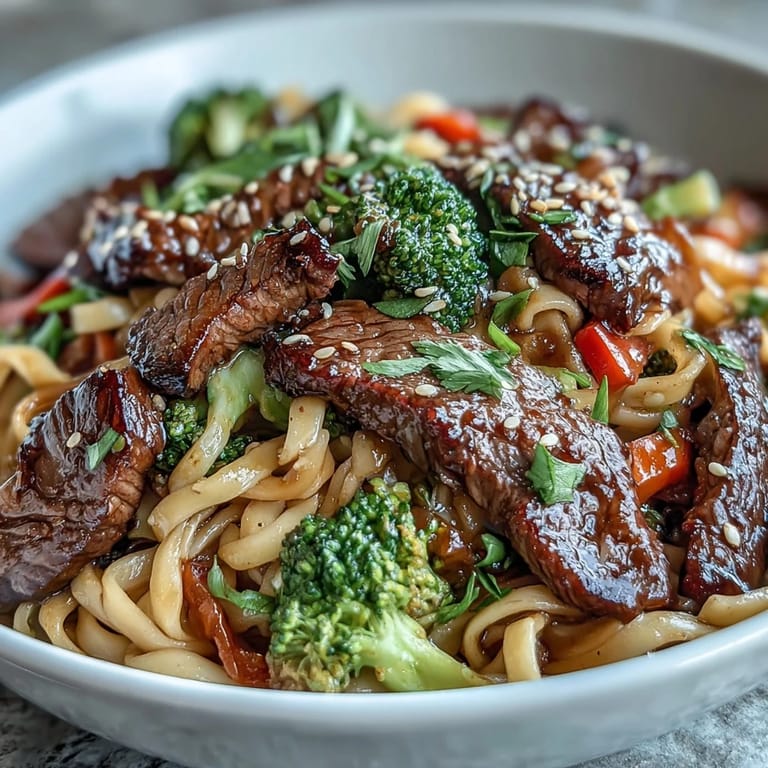
- Return the browned beef to the skillet, pour the sauce over beef and vegetables, stir to coat everything evenly, then add cooked noodles and toss gently for 2 minutes until heated through and glossy
- Finish with garnishes:
- Sprinkle with chopped green onions and sesame seeds right before serving for that final fresh touch
 Save
Save This recipe became my go-to for chaotic weeknights when cooking feels like just another chore on an endless list. Something about the rhythm of stir-frying, the sizzle sounds, the way everything comes together in one pan, it grounds me. My partner now requests these noodles whenever we've had a particularly rough day at work, calling them comfort in a bowl.
Making It Your Own
I've experimented with countless variations over the years. Sometimes I add snap peas or zucchini depending on what's languishing in my crisper drawer. Once I threw in mushrooms and discovered they soak up the sauce like little flavor sponges. The beauty of this dish is how forgiving it is with substitutions.
Heat It Up Or Keep It Mild
The base recipe is family friendly but my spice-loving friends always ask me to kick it up. I've learned to serve sriracha on the side so everyone can control their own heat level. A spoonful of gochujang stirred into the sauce adds incredible depth if you want authentic Korean complexity.
Perfecting The Noodle Texture
Rice noodles can turn into a gummy mess if you're not careful with timing. I've had my share of failures where they clumped together into an unappetizing blob. The key is rinsing them under cold water immediately after draining to stop the cooking process and prevent sticking.
- Undercook the noodles slightly since they'll finish cooking in the hot sauce
- Toss them with a drop of oil after draining to keep them from sticking together
- Add them at the very end and just toss gently to heat through without breaking
 Save
Save There's something deeply satisfying about sliding a steaming bowl of these noodles onto the table and watching everyone dig in immediately. This recipe has fed me through late nights, celebrated small victories, and comforted friends who needed something warm.
Recipe Questions
- → What type of beef is best for this dish?
Thinly sliced flank steak is ideal, as it cooks quickly and remains tender. Ensure you slice it against the grain for the best texture.
- → Can I adjust the spice level?
Absolutely. For a delightful kick, stir in sriracha or gochujang directly into the sauce mixture before combining it with the other ingredients.
- → What other vegetables can be added?
Feel free to incorporate snap peas, zucchini, mushrooms, or bok choy. Add them during the stir-frying stage with the other vegetables to ensure they cook properly.
- → How long do leftovers keep?
Leftovers can be stored in an airtight container in the refrigerator for up to 3 days. They reheat well on the stovetop or in the microwave.
- → Is this preparation suitable for specific diets?
This is a dairy-free option. For gluten-free needs, ensure your soy sauce and rice noodles are certified gluten-free. Be mindful of allergens like soy and sesame.