 Save
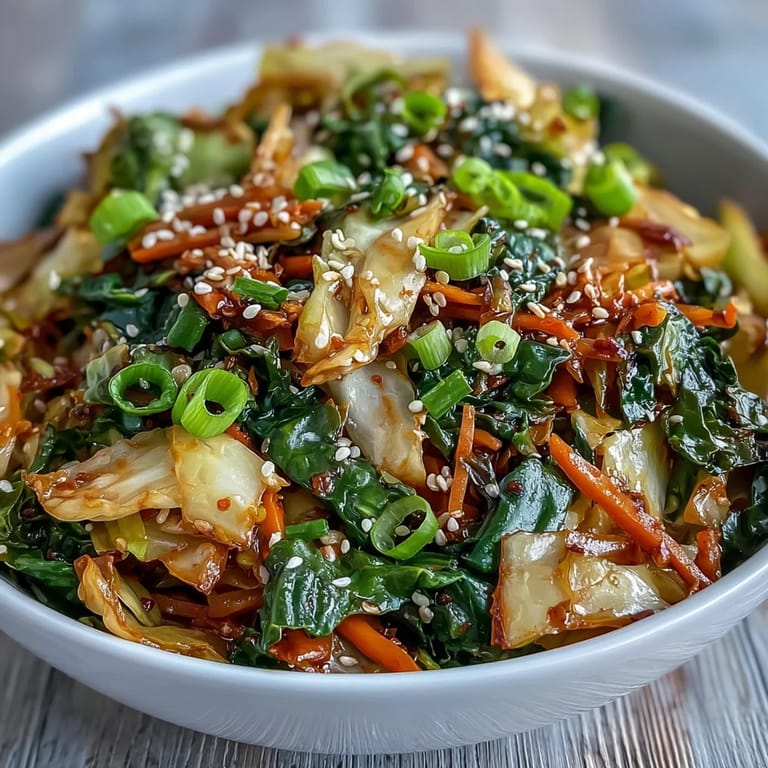
Save There's a particular Tuesday evening I won't forget when my neighbor knocked on my door with a bag of just-picked cabbage from her garden, and I had maybe twenty minutes before guests arrived. I threw together this hot and sour stir-fry almost by accident, combining what felt right in the moment—tangy, spicy, alive. The kitchen filled with this incredible aroma of garlic and ginger hitting hot oil, and suddenly everyone was crowding around the stove asking what smelled so good. It became my go-to dish whenever I needed something that felt both effortless and impressive.
I made this for my sister during one of those rainy afternoons when we were both pretending to meal prep but mostly just wanted comfort food that didn't require much thinking. She'd never tried anything with chili paste before, and watching her face as she took that first forkful—when the heat hit followed by the vinegar brightness—made me realize this dish has a way of surprising people in the best way. It became part of our regular rotation, the thing we'd text each other about making on lazy weekends.
Ingredients
- Green cabbage (1 medium head, about 800 g): The foundation here, and thinly slicing it matters because you want those strands to pick up the sauce quickly while still maintaining their natural crunch and texture.
- Carrot (1 medium, julienned): This adds both sweetness and a contrasting texture that keeps things interesting, plus it cooks at roughly the same pace as the cabbage.
- Scallions (3, sliced diagonally): Save some for garnish at the end because that fresh onion bite right at the finish is what keeps this from feeling heavy.
- Garlic and ginger (2 cloves and 1 tablespoon respectively, minced): These two are your aromatic backbone, and mincing them fine means they'll infuse the oil almost immediately when it hits the heat.
- Soy sauce (2 tablespoons): Use tamari if you're keeping it gluten-free, and don't skip this even though it seems like salt overload—it builds savory depth that the vinegar plays off beautifully.
- Rice vinegar (2 tablespoons): This is what makes it sing, so don't substitute with regular white vinegar which tastes harsher and one-dimensional.
- Chili paste or chili garlic sauce (1 tablespoon): Adjust based on your heat tolerance, but remember that cooking mellows it slightly, so be a bit braver than you think you want to be.
- Sugar (1 teaspoon): Just a whisper to round out the flavors and let the spice and sour complement each other instead of competing.
- Toasted sesame oil (1 teaspoon): A little goes a long way here, and it's what gives that familiar warmth that says this dish knows what it's doing.
- Vegetable oil (2 tablespoons): You need enough to coat the wok and keep everything moving without sticking, so don't go timid.
- Black pepper and salt: The pepper goes in during cooking but taste at the end too, because sometimes it needs that final adjustment.
Tired of Takeout? 🥡
Get 10 meals you can make faster than delivery arrives. Seriously.
One email. No spam. Unsubscribe anytime.
Instructions
- Build Your Sauce Base:
- Whisk together the soy sauce, rice vinegar, chili paste, sugar, and sesame oil in a small bowl while the wok heats up. This way everything dissolves together rather than competing for attention once you start cooking.
- Get Your Oil Singing:
- Heat the vegetable oil in your wok or large skillet over medium-high heat until it's almost smoking—you want it genuinely hot so the garlic and ginger can perfume the oil rather than just soften in warm oil.
- Wake Up the Aromatics:
- Drop in your minced garlic and ginger and let them sit for about 30 seconds without touching too much. You'll know they're ready when the whole kitchen smells like a restaurant kitchen, which is the smell of correctly done.
- Get the Vegetables Involved:
- Toss in your sliced cabbage and julienned carrot and keep the wok moving for 3 to 4 minutes. You're looking for the cabbage to soften around the edges but still have snap when you bite into it, not that sad wilted state.
- Bring in the Sauce:
- Pour your mixed sauce over everything and toss until each strand of cabbage gets coated, then let it cook for another 2 to 3 minutes so the flavors actually meld instead of just sitting on top of each other.
- Final Seasoning and Finish:
- Add your black pepper, salt, and those reserved scallions, giving it one more minute so the scallions just start to soften but keep their brightness. Taste and adjust the seasoning—sometimes you'll want a little extra salt or a splash more vinegar depending on your cabbage.
- Plate and Garnish:
- Transfer to a serving dish and scatter sesame seeds and extra scallions on top while everything's still hot. That garnish isn't just decoration; it's the textural and flavor pop that says this dish came together with care.
 Save
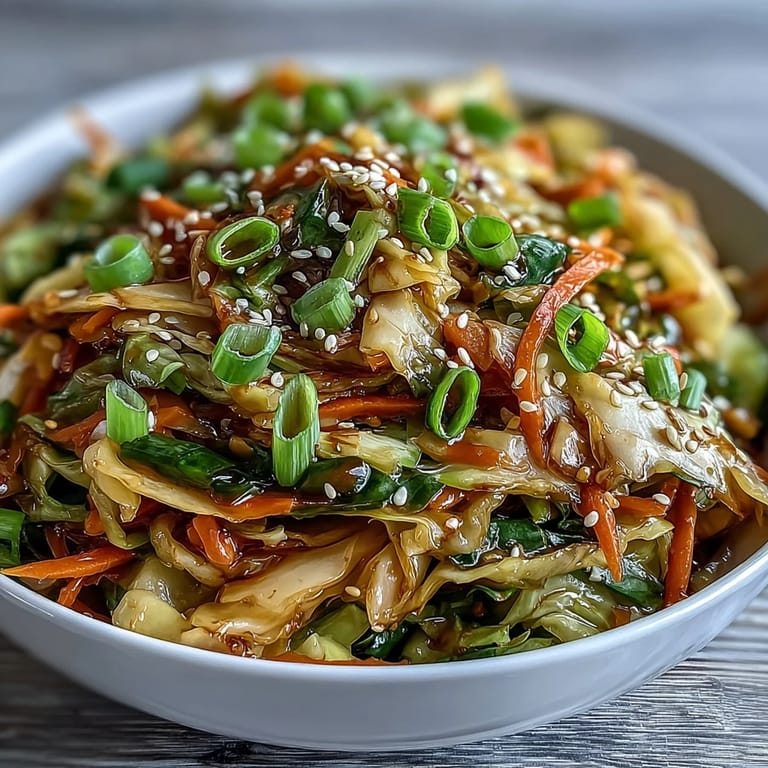
Save My coworker brought a container of this to the office one day after I'd shared the recipe, and somehow it sparked this whole thing where we started trading stir-fries back and forth, each person tweaking it slightly. That single dish became this little ritual that kept us connected through the mundane grind of regular workdays, proving that food really is a language we all understand.
When the Heat Needs Adjusting
The beauty of this recipe is that it's deeply customizable once you understand the core balance. I learned early on that if you're sensitive to heat, you can reduce the chili paste to a teaspoon and add an extra teaspoon of rice vinegar instead—you'll still get that bright sour quality that makes the dish pop, just without the lingering burn. Conversely, if you live for that fire, add more chili paste or a good pinch of red pepper flakes right when you add the sauce, letting them cook into the oil so the heat becomes part of the dish rather than a surprise.
Cabbage Variations That Still Work
Green cabbage is classic here, but I've had remarkable results with Napa cabbage when I want something that cooks faster and has a more delicate flavor. Purple cabbage gives you a visual show and slightly earthier notes, though it takes maybe a minute longer to reach that tender-crisp state. Red cabbage will bleed its color into the sauce, which looks less elegant but tastes exactly as good, so it's really about whether you care more about presentation or flavor purity on any given evening.
Smart Ways to Build on This Foundation
Once you've made this a few times and feel comfortable with the rhythm, you can easily add mushrooms sliced thin or bell peppers cut into thin strips—just remember to add them a minute before the cabbage so everything finishes at the same time. Some nights I'll add a handful of cashews or peanuts at the very end for crunch, or toss in some baby bok choy if I'm feeling fancy. These additions don't fundamentally change the dish, they just let you play with it based on what you have on hand.
- If you're serving this over rice, reserve a little extra sauce because rice will soak it all up and you'll want every bit of that flavor.
- This reheats beautifully, so make a bigger batch and use it as a side dish throughout your week without any guilt.
- Trust your instincts about the seasoning at the end—every cabbage is slightly different, so what tastes perfect one time might need a tiny tweak the next.
 Save
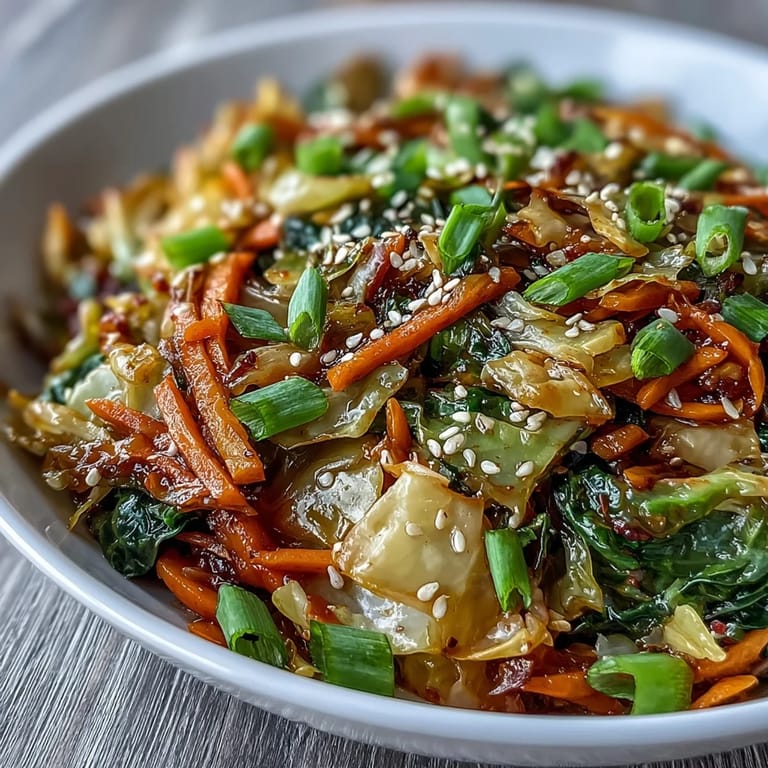
Save This dish taught me that sometimes the best meals come from constraints rather than elaborate planning, and that the simplest ingredients can create something genuinely memorable when you pay attention to how they cook together. Make it tonight and you'll understand why it's become my answer to almost every question about what's for dinner.
Recipe Questions
- → Can I make this dish less spicy?
Yes, simply reduce the amount of chili paste or chili garlic sauce to suit your preference. You can start with half the amount and adjust to taste.
- → What type of cabbage works best?
Green cabbage is traditional and provides a nice crunch, but Napa cabbage offers a milder, more delicate flavor and softer texture. Both work wonderfully.
- → How do I keep the cabbage crisp?
Cook over high heat and stir-fry quickly, no more than 5-6 minutes total. The cabbage should be tender-crisp, not soft or mushy.
- → Can I prepare the sauce in advance?
Absolutely. Mix the sauce ingredients together and store in an airtight container in the refrigerator for up to 3 days before using.
- → What can I serve this with?
This pairs excellently with steamed jasmine or brown rice, fried rice, grilled chicken, tofu, or fish. It also works as part of a larger Chinese-inspired meal.
- → How should I store leftovers?
Store in an airtight container in the refrigerator for up to 3 days. Reheat in a skillet over medium heat to restore some of the crispness.