 Save
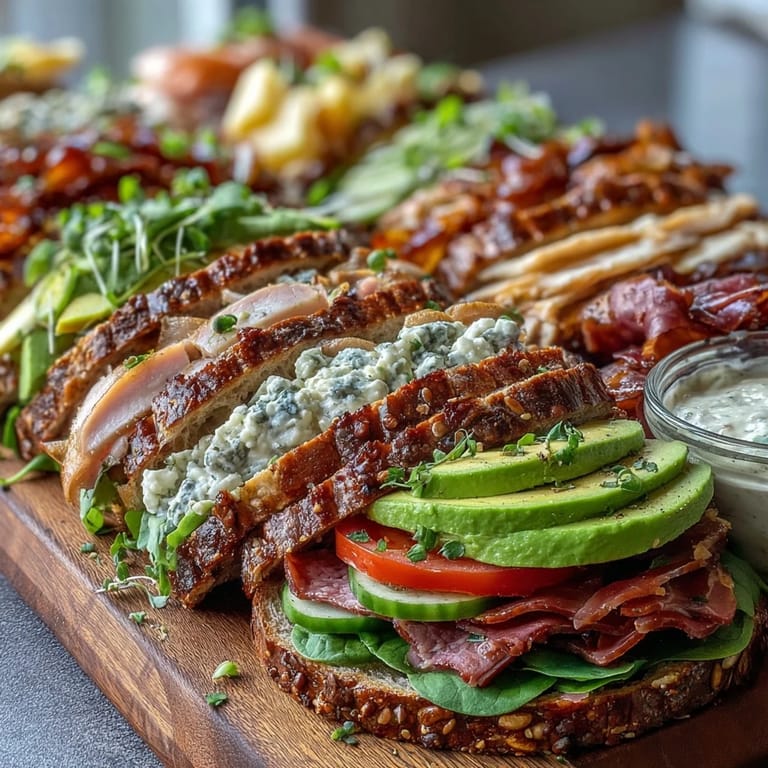
Save Last summer, my neighbor casually mentioned she was hosting a backyard gathering but dreaded the usual catering costs. Something clicked, and I suggested we turn her patio table into a sandwich board instead. Watching her face light up at the idea of guests building their own creations was worth more than any fancy caterer could offer. That afternoon, I learned that the best meals aren't about perfection, they're about giving people permission to eat exactly what they want. This board became our go-to for every outdoor gathering since.
My daughter's soccer team took this board to a tournament tailgate, and three parents asked for the photo afterward. What stuck with me wasn't the compliments, but watching kids who normally picked at their food go back for thirds, excited about the choices laid out before them. There's something about autonomy that transforms eating from obligation into celebration.
Ingredients
- Ciabatta rolls: Their sturdy crust keeps everything from getting soggy, and they're substantial enough to handle generous piles of toppings without falling apart midway through eating.
- Whole grain sandwich rolls: A heartier option for people who want texture and nutrition, they pair beautifully with the earthier spreads like hummus and pesto.
- Sourdough bread: The tangy flavor cuts through rich meats and cheeses, and thin slices let the fillings shine without overwhelming the board visually.
- Smoked turkey breast: Lean and flavorful, it's the bridge ingredient that satisfies both health-conscious guests and traditional sandwich lovers.
- Honey ham: Its subtle sweetness balances vinegary pickles and sharp mustards, making it universally appealing.
- Roast beef: The umami-rich option that makes people feel like they're eating something special, even on a casual afternoon.
- Salami: A little goes a long way with this stuff, so even 100 grams gives everyone a chance to taste something with real personality.
- Swiss, cheddar, and provolone cheeses: Different melting points and flavor profiles mean everyone finds their match, whether they want mellow, sharp, or creamy.
- Fresh tomatoes: Slice them shortly before serving to keep them from weeping liquid all over the board, and pat them dry with paper towels if they're particularly juicy.
- Cucumber: Cooling and refreshing, thin slices prevent the board from feeling too heavy or one-note in flavor.
- Red onion: Its bite mellows slightly after slicing, giving people an optional layer of complexity without forcing it on anyone.
- Romaine lettuce: Sturdy enough not to wilt immediately and hearty enough to add substance without tasting like filler.
- Baby spinach: For guests who want greens that feel more substantial and nutritious than lettuce alone.
- Avocado: Slice it as close to serving time as possible and toss the cut side with lemon juice to prevent browning that'll make the board look neglected.
- Dill pickle slices: The acid is what brings everything together, cutting through richness and adding snap that makes eating feel active rather than passive.
- Mayonnaise: Classic and reliable, but mix it with a little Dijon for more interest if the crowd feels adventurous.
- Dijon mustard: Sharp and sophisticated, a tiny amount transforms a simple sandwich into something with backbone.
- Hummus: The vegetarian secret weapon that makes plant-based eaters feel like they're getting something special, not an afterthought.
- Pesto: Herbaceous and intense, it turns even plain bread into something memorable.
- Honey mustard: The bridge between sweet and savory that makes people who usually avoid mustard curious enough to try it.
- Black olives: Briny and bold, they're the optional flavor accent for people who want their sandwich to feel Mediterranean.
- Banana pepper rings: Milder than jalapeños but with enough personality to add warmth without heat that might surprise anyone.
- Sun-dried tomatoes: Concentrated tomato flavor in a small package, they add visual interest and umami depth without taking up much real estate on the board.
Tired of Takeout? 🥡
Get 10 meals you can make faster than delivery arrives. Seriously.
One email. No spam. Unsubscribe anytime.
Instructions
- Start with the foundation:
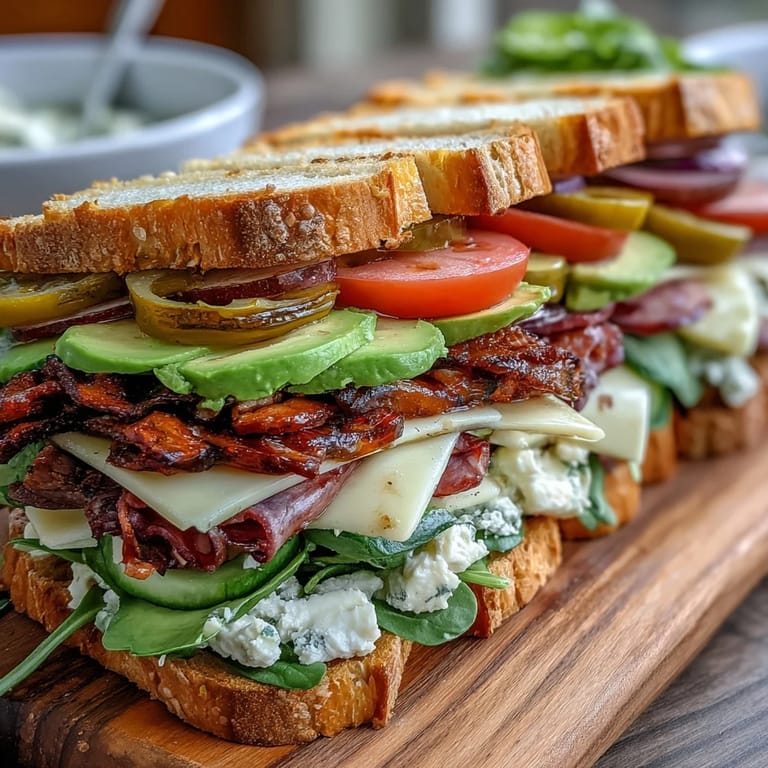
- Arrange all three bread types across your largest board or platter in loose sections so people can see their options immediately. Mix the varieties slightly so the board looks abundant but not chaotic.
- Create the meat section:
- Lay each type of deli meat in its own area, fanning the slices slightly so people can pick up individual pieces without the whole stack shifting. Group them together so guests understand there's a meat station rather than scattered options.
- Place the cheeses thoughtfully:
- Position each cheese variety near the meats since most people will use both together, and the visual proximity helps them think in combinations.
- Build the vegetable landscape:
- Arrange vegetables in small bowls or directly on the board depending on your aesthetic preference and available space, keeping wet items like pickles contained so they don't release liquid onto the bread. Think of this as creating pockets of flavor around the board rather than cramming everything together.
- Set up spreads separately:
- Put each condiment in its own small bowl with a dedicated spreading knife or spoon to prevent flavors from muddling together and to give people clear, hygienic access. This is where people's personalities show, so make it obvious there are choices.
- Invite the creativity:
- Step back and let people build their own sandwiches, offering gentle suggestions only if someone looks genuinely lost or uncertain. Watch how different people combine things because those combinations will teach you something about their food personality.
- Keep it fresh:
- Serve immediately for the best experience, or cover components loosely and refrigerate if you're transporting to a picnic site. Reassemble about 30 minutes before eating to prevent vegetables from releasing too much moisture onto the bread.
 Save
Save The real magic happened when my usually picky cousin showed up to a family picnic and, instead of his usual complaint, built himself a sandwich that somehow convinced him to eat vegetables. His mom cried a little when she saw him go back for seconds without being asked. That's when I understood this isn't really about bread and meat, it's about giving people agency in their own satisfaction.
The Psychology of a Board Done Right
There's something deeply satisfying about arranging ingredients on a board rather than serving a finished dish, and it has nothing to do with laziness. When people build their own food, they're invested before they even take the first bite. They've made decisions, combined flavors intentionally, and created something uniquely theirs. Suddenly it's not just lunch, it's an accomplishment. I've noticed people eat slower, taste more carefully, and actually engage in conversations instead of rushing through a meal because they created something worth savoring.
Timing and Transport Tips
If you're bringing this to a picnic, assemble it on-site if humanly possible because moisture is the silent killer of a beautiful board. I learned this the hard way during a beach day when everything had wept into a soggy puddle by the time we arrived. Now I pack ingredients in containers and do final assembly in the shade with about 20 minutes before people start eating. The difference is night and day, and it's worth the extra five minutes of work. Keep mayo-based spreads in a cooler with ice packs and don't set them out until right before serving.
Making It Work for Every Dietary Need
The beauty of a board is that it accommodates almost any dietary restriction without special treatment or awkward explanations. Vegetarians build around vegetables, spreads, and cheeses without anyone needing to make them something separate. People avoiding gluten grab sourdough or ask about bread options without feeling like burdens. It's inclusion disguised as abundance, which is far more elegant than announcing what's available for whom.
- Add grilled vegetables, roasted chickpeas, or plant-based deli slices so vegetarians feel like they're choosing from genuine options rather than settling for leftovers.
- Clearly label breads that are gluten-free or offer a separate small board if needed, so people know exactly where their safe options are.
- Have hummus and pesto prominent because these are the spreads that make meatless sandwiches feel intentional rather than compromised.
 Save
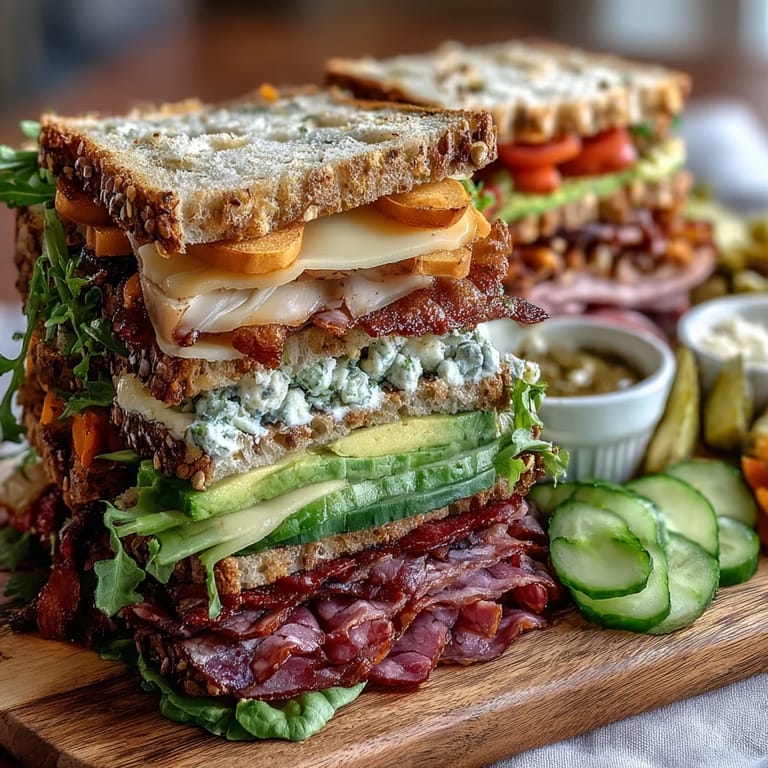
Save This board transforms from a practical solution into the kind of meal people actually remember and talk about afterward, which feels like the highest compliment any food can receive. Make it yours by adding ingredients that excite you, and watch how people respond when given the freedom to eat exactly what they want.
Recipe Questions
- → What breads work best for this sandwich board?
Ciabatta rolls, whole grain sandwich rolls, and sourdough bread provide a great variety of textures and flavors to complement the deli meats and cheeses.
- → How can I keep ingredients fresh before serving?
Arrange all components on the board just before serving or cover and refrigerate them separately to maintain freshness until ready to assemble.
- → Are there vegetarian suggestions for this setup?
Yes, grilled vegetables, sliced hard-boiled eggs, or plant-based deli slices can replace meats for a delicious vegetarian alternative.
- → What’s a good way to serve the spreads and condiments?
Place spreads and condiments in small bowls with serving knives or spoons, allowing guests to easily customize their sandwiches.
- → What drinks pair well with this deli board?
Crisp Sauvignon Blanc or a light lager nicely complement the assortment of meats, cheeses, and fresh vegetables.
- → Can this board accommodate gluten-free needs?
Absolutely—substitute the breads with gluten-free options to suit dietary requirements.