 Save
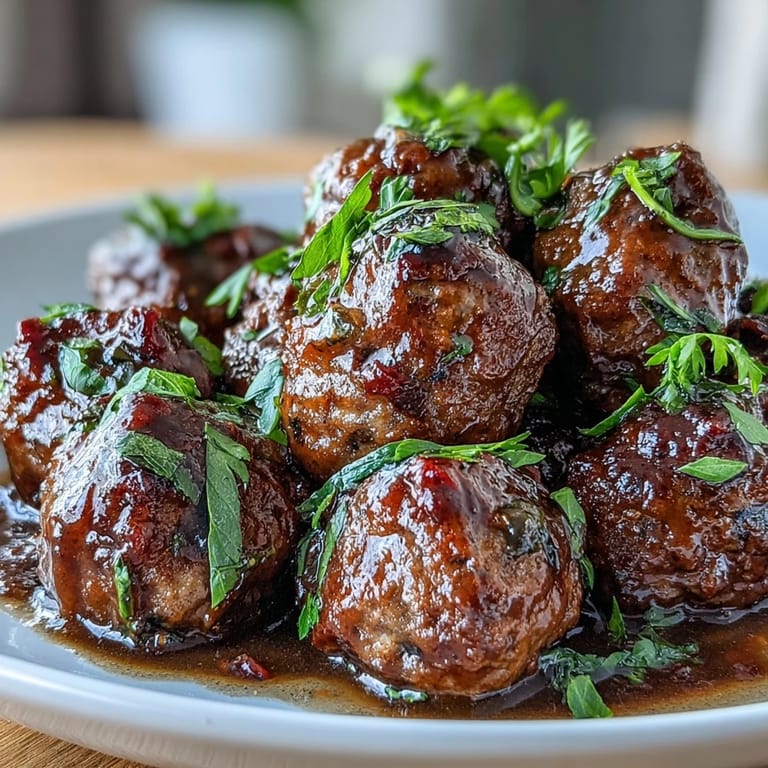
Save My sister texted me at 4 PM on a Sunday saying she was bringing people over in three hours, and I had nothing prepared. I opened my freezer in a mild panic and found a bag of frozen meatballs shoved in the back, a relic from some forgotten meal plan. That's when it clicked—a slow cooker, some pantry staples, and a jar of pepperoncini peppers could become something unexpectedly sophisticated and deeply satisfying. Three hours later, my kitchen smelled like a steakhouse, and everyone asked for the recipe before they'd even finished eating.
I served these at a potluck once, and a guy I barely knew came back for thirds while telling me about his grandmother's pot roast. That's when I realized these meatballs do something special—they create moments where people feel cared for without you having stressed about it. The sauce gets silky and rich, the peppers stay bright and sharp, and somehow it all tastes like comfort.
Ingredients
- 1 (26-ounce) bag frozen meatballs: Buy the best quality you can find, because frozen meatballs are the whole shortcut here—there's no shame in that, and good ones make a real difference in flavor and texture.
- 1 packet au jus gravy mix: This is your umami backbone, the thing that transforms a simple dish into something that tastes like it simmered for hours.
- 1 packet ranch seasoning mix: It sounds odd next to au jus, but the herbaceous notes cut through the richness and add complexity without making it taste like salad dressing.
- 1 (16-ounce) jar sliced pepperoncini peppers, with juice: Don't drain them—that briny, slightly vinegary juice is where half the magic lives, sharpening everything around it.
- ½ cup water: This helps the seasonings dissolve and ensures the sauce doesn't reduce too much or become too salty.
- ½ cup (1 stick) unsalted butter, diced: Room temperature butter melts more evenly and creates that silky, restaurant-quality sauce you're after.
Tired of Takeout? 🥡
Get 10 meals you can make faster than delivery arrives. Seriously.
One email. No spam. Unsubscribe anytime.
Instructions
- Build Your Foundation:
- Dump the frozen meatballs straight into the slow cooker—no thawing, no browning, just raw meatballs sitting there looking lonely. This is the point where it feels like nothing will happen, but trust the process.
- Layer the Seasonings:
- Sprinkle both the au jus and ranch packets evenly across the meatballs, trying to distribute them so no clump sits untouched. The seasoning dust will stick to the outside of the cold meatballs, creating pockets of concentrated flavor as everything heats.
- Pour in the Peppers:
- Add the entire jar of pepperoncini peppers and their juice—yes, all of it—over the top. This briny liquid is the secret weapon that prevents the dish from tasting one-dimensional or too salty.
- Add the Water:
- Pour the half cup of water around the edges so it reaches the bottom and helps everything dissolve together. You're creating an environment where the seasonings can bloom and the meatballs can cook evenly.
- Dot with Butter:
- Scatter the diced butter pieces across the surface like you're adorning something precious. As the slow cooker heats up, this butter will melt down and emulsify with the other liquids, creating that glossy, luxurious sauce.
- Cook Low and Slow:
- Cover and set it to LOW for 3 to 4 hours, stirring every 45 minutes or so to redistribute flavors and ensure the seasonings fully dissolve. The meatballs will go from rock hard to fork-tender, and the sauce will deepen in color and richness.
- Serve with Purpose:
- If you're doing appetizers, use toothpicks and watch them disappear; if you're making a main course, ladle them over mashed potatoes, buttered egg noodles, or rice and watch people get genuinely quiet while they eat.
 Save
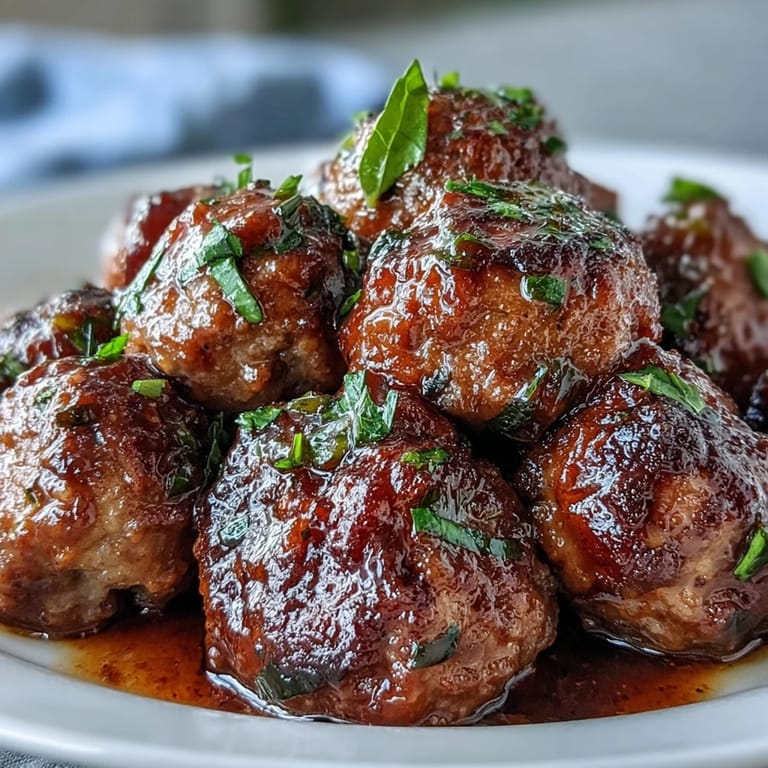
Save One winter, I made these for a dinner with my partner's colleagues, and somehow they became the thing people remembered months later—not because they were fancy, but because they were genuine. There's something about food that arrives warm and ready that makes people feel seen.
The Pepperoncini Question
When I first made these, I almost poured out the pepper liquid like it was something to discard, but my instinct told me to taste it first. That briny, slightly vinegary juice is where the surprise lives—it cuts through the buttery richness and keeps the whole dish balanced. If you're someone who prefers milder flavors, use only half the juice from the jar and supplement with an extra quarter cup of water, but don't skip the peppers themselves. They soften as they cook and become almost jammy, their heat mellowing into something warm rather than aggressive.
Main Course Transformations
I've served these over every starch imaginable, and each one tells a different story. Mashed potatoes are the classic—the sauce pools into the creamy surface like it was made for it—but egg noodles catch the sauce differently, becoming glossy and restaurant-like. Rice works too, especially if you cook it in chicken broth instead of water, but my personal revelation came the night I spooned them over creamy polenta and suddenly felt like I was eating somewhere expensive on a Tuesday night at home.
Sauce Thickness and Timing
The sauce arrives naturally silky and slightly loose, which is perfect for serving over starches, but if you want it thicker for appetizers, you can nudge it along during the last 15 minutes of cooking. Mix 2 tablespoons of cornstarch with 2 tablespoons of cold water until smooth, then stir it in slowly, tasting as you go—the sauce will thicken noticeably within minutes, and you don't want it pasty. This is also the moment to taste and adjust the salt; remember that the peppers and seasoning packets already carry sodium, so go slow.
- Never add cornstarch slurry at the beginning—it will break down during the long cook and you'll end up with thin, grainy sauce.
- If you're serving as appetizers, thicken the sauce; if serving over starch, keep it loose and let the starch absorb the liquid.
- Leftovers thicken slightly as they cool, so if the sauce seems perfect hot, it might be slightly thick when reheated.
 Save
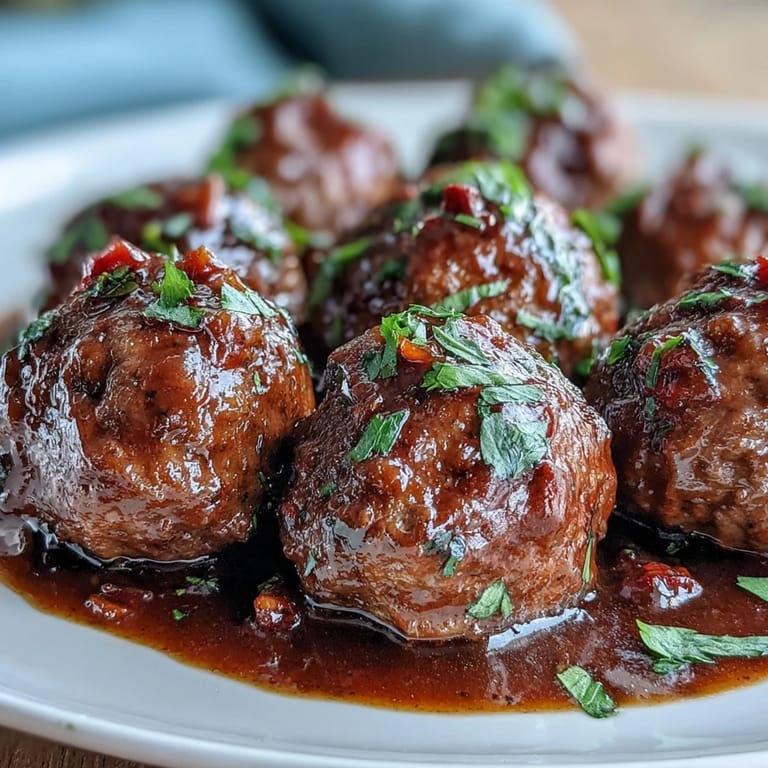
Save These meatballs have become my answer to the question nobody wants to ask: "How do I feed people without falling apart?" The answer is butter, a slow cooker, and the kind of recipe that works whether you're feeding four or fourteen. Make them once and you'll understand why they keep coming up in conversation.
Recipe Questions
- → Can I use fresh meatballs instead of frozen?
Yes, fresh meatballs can be used; just adjust slow cooking time to ensure they are fully cooked and tender.
- → How can I reduce the heat from the pepperoncini peppers?
Use only half of the pepperoncini juice or rinse the peppers to soften their spicy bite.
- → What side dishes pair well with these meatballs?
Mashed potatoes, buttered noodles, or rice complement the saucy, flavorful meatballs nicely.
- → Is it possible to thicken the sauce?
Yes, stir in a cornstarch slurry (2 tbsp cornstarch mixed with 2 tbsp water) during the last 15 minutes of cooking.
- → How should leftovers be stored and reheated?
Refrigerate leftovers up to 3 days or freeze for up to 2 months; reheat gently on the stovetop or microwave until warmed through.