 Save
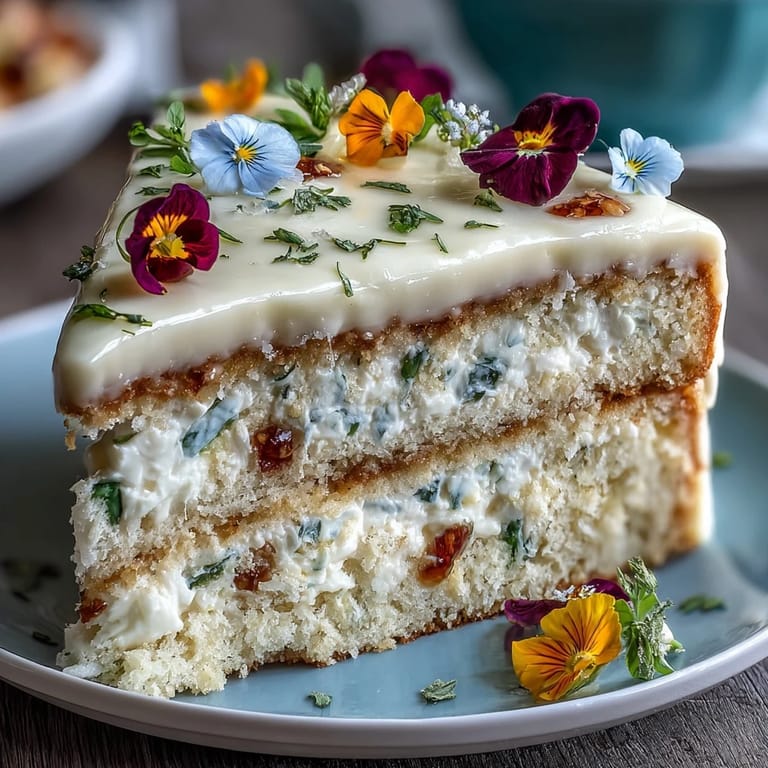
Save The first time I made a spring cake adorned with pressed edible flowers, I remember scents of citrus and butter mingling in the air as sunlight poured through my kitchen window. It wasn’t an occasion, just a quiet afternoon when the mood struck to bake something whimsical and pretty. Sifting flour while leaning over my countertop, I caught myself humming, feeling almost mischievous using petals for decoration instead of just garnish. Whipping the lemon curd felt oddly therapeutic, with its tart aroma waking up every sense. The cake cooled as I gathered flowers, careful not to crush their fragile beauty.
One spring, I assembled this cake just before a family brunch, hopeful that the violet petals wouldn’t wilt before everyone arrived. My sister hovered as I smoothed the cream, sharing her doubts about edible flowers, then changed her mind after a single forkful. The laughter that followed was nearly as bright as the cake itself. As we passed slices around, I noticed how people paused to appreciate the design, eating more slowly than usual. That moment made decorating feel worthwhile.
Ingredients
- Unsalted butter: Creaming it until pale is key for a light sponge and brings a gentle richness to each bite.
- Granulated sugar: Using a little extra in the curd makes it glossy and balances the tart lemon.
- Eggs: Room temperature eggs help everything emulsify seamlessly—no scrambling, just smooth batter and curd.
- Vanilla extract: A dash rounds out the floral and citrus notes, making the cake taste subtly complex.
- All-purpose flour: Sifting it prevents clumps and keeps the crumb tender; don’t overmix once it’s added.
- Baking powder: Adds lift but must be fresh—check your pantry before starting.
- Fine sea salt: A touch here sharpens flavors; skip coarse salt which won’t disperse evenly.
- Whole milk: Room temperature milk blends better and keeps the sponge moist—cold milk can make the mixture curdle.
- Lemon zest: Use a microplane for the finest zest, avoiding any bitter pith.
- Lemon juice: Freshly squeezed makes a huge difference in curd; bottled juice won’t give that bright tang.
- Heavy cream: Chilling it ensures the cream whips into strong peaks without separating.
- Powdered sugar: Just a touch sweetens the whipped cream and helps it hold its shape.
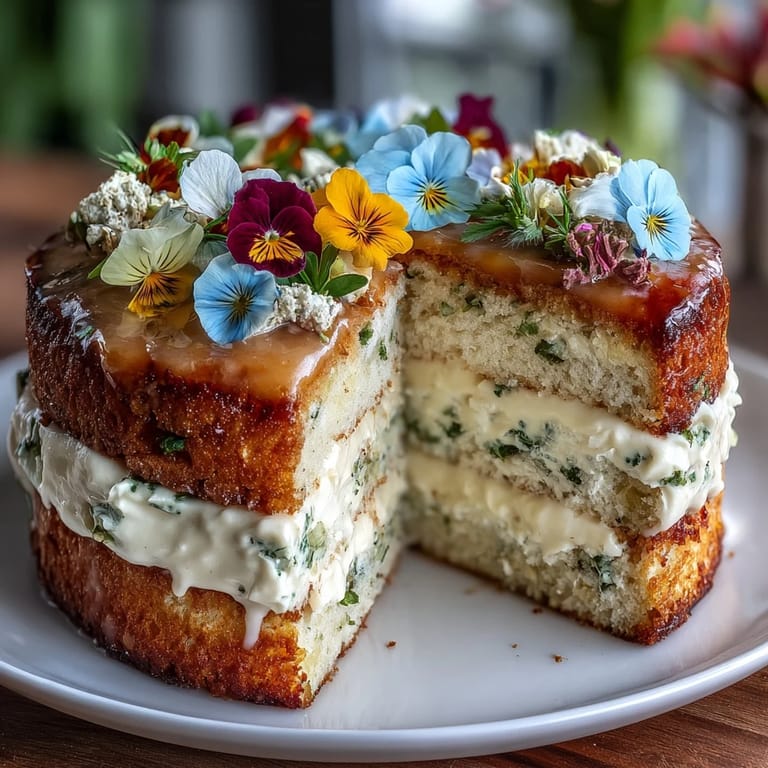
- Pressed edible flowers: Choose flowers you know are safe and organic—only pansies, violets, nasturtiums, or rose petals you trust.
Tired of Takeout? 🥡
Get 10 meals you can make faster than delivery arrives. Seriously.
One email. No spam. Unsubscribe anytime.
Instructions
- Prepare cake pans:
- Grease and line two 8-inch pans with parchment, making sure the sides don’t wrinkle—this prevents sticking and gives neat edges.
- Make the cake batter:
- Cream butter and sugar until fluffy, then beat in eggs one at a time, swirling in vanilla and lemon zest; listen for the batter’s smooth, gentle plop—it's ready.
- Combine dry and wet:
- Whisk flour, baking powder, and salt; fold into the wet mix in three batches, alternating with milk, stopping once the flour disappears—overmixing dulls the sponge.
- Bake and cool:
- Divide batter evenly, bake for 25–30 minutes until golden and a toothpick comes out clean. Let cool 10 minutes, then gently turn cakes onto a rack to cool completely.
- Prepare lemon curd:
- Whisk eggs, sugar, juice, zest in a heatproof bowl over simmering water. Stir constantly so it thickens and doesn’t scramble; remove and whisk in butter for a silky finish, cool thoroughly.
- Whip the cream:
- Beat chilled heavy cream with powdered sugar and vanilla until stiff peaks form—when you lift the whisk, peaks should stand tall and firm.
- Assemble the cake:
- Place one cake layer on a plate, spread lemon curd thickly, press the second layer on top, creating a wobble that soon settles.
- Decorate with cream:
- Frost cake lightly with whipped cream, smoothing the sides and top—don’t overwork or you’ll lose the fluffy texture.
- Add pressed flowers:
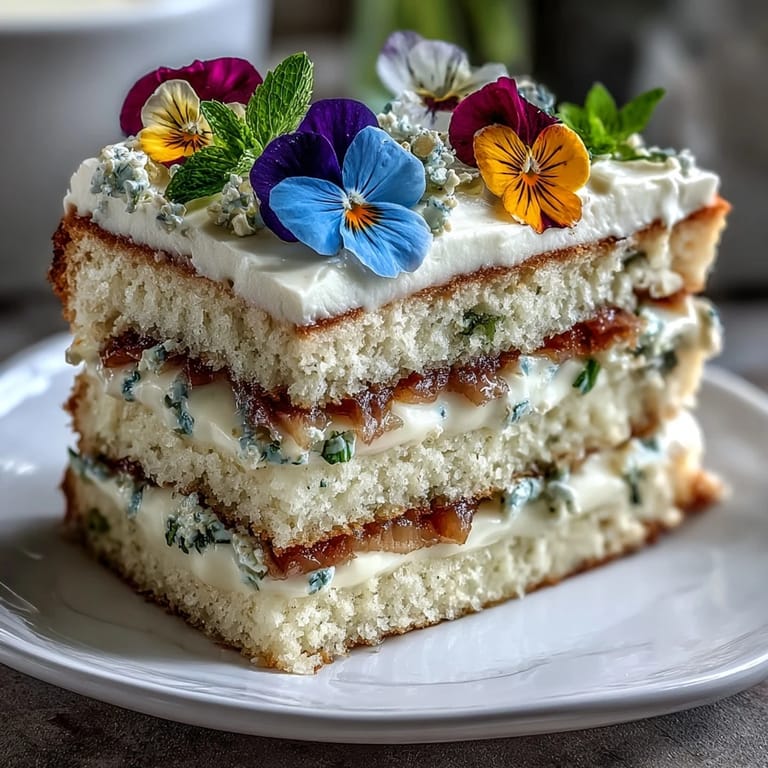
- Arrange flowers gently over the cream, pressing softly so they adhere but keep their shape—think of it like crafting, not just decorating.
- Final chill:
- Chill cake for at least 30 minutes, letting the cream set and flowers stay vibrant; resist peeking for best results.
 Save
Save I watched as my grandmother admired the cake’s floral decoration, her smile a small but memorable soft moment. That day, the cake was photographed not once but three times, sealing its place in our family album—and now, in my own culinary repertoire.
Foraging and Selecting Edible Flowers
Choosing the right flowers felt like a scavenger hunt—I always double-check against a reliable list and stick to organic markets or homegrown patches. It’s tempting to grab whatever looks pretty but some petals can be bitter or unsafe, so I sniff and taste each one first. Pressing them between parchment and books overnight keeps their colors vibrant without wilting. If you’re nervous, violets and pansies are foolproof. That way, you create an edible bouquet right atop the cake.
Cake Layering Secrets
Layering works best when you use an offset spatula and rotate the plate as you spread the curd, making sure corners aren’t missed. Sometimes the sponge dips in the center—don’t stress, add a little more cream to even it out. I once rushed and stacked unevenly, but salvaging with extra frosting helped disguise the flaw. Always taste the curd before spreading; if too sour, a sprinkle more sugar fixes it. Assembly is messy fun, not a competition.
Decoration Without Stress
Decorating is best done with hands rinsed and dried, so the flowers don’t tear or slip. If a petal breaks, tuck it beneath another and move on—no one notices in the final design. Show off the cake on a simple plate so the flowers are the star.
- Check flower placement from all angles before finishing.
- A chilled cake surface keeps the flowers stuck longer.
- If flowers wilt, give them a quick spritz with water before serving.
 Save
Save Enjoying this cake feels like sharing a slice of spring—each bite is uplifting and beautiful. I hope your kitchen smells as fresh and sweet as mine did when you serve it.
Recipe Questions
- → What flowers can I use for decoration?
Choose organically grown edible flowers such as pansies, violets, nasturtium, or rose petals. Verify their safety and avoid pesticides.
- → Can I bake the cake ahead of time?
Yes, the sponge layers can be baked a day early and wrapped at room temperature. Assemble and decorate shortly before serving.
- → How do I achieve a more lemony flavor?
Brush cake layers lightly with lemon syrup before assembling if you prefer a stronger citrus taste.
- → What is the ideal pairing for this dessert?
HelloPair this cake with Earl Grey tea or a sparkling Moscato for a refreshing contrast.
- → Are there any allergens in this cake?
This dessert contains eggs, dairy, and wheat (gluten). Ensure pressed flowers are free from chemicals.
- → How do I set the floral decorations?
After arranging flowers atop the cake, chill for at least 30 minutes to help decorations adhere and set firmly.