 Save
Save There's something about a weeknight when the pantry feels sparse but the clock is ticking—that's when this one-pot garlic butter ditalini saved me. I'd thrown together what I had: chicken broth, a handful of garlic cloves, butter, and a box of ditalini that had been sitting in the cabinet. Twenty minutes later, I had something so silky and alive that my partner asked for seconds before even tasting it. The garlic bloomed in that butter like it had been waiting for permission, and the pasta soaked everything up without turning to mush. I realized that night that sometimes the simplest dishes teach you the most about cooking.
I made this for my mom on a Sunday afternoon when she mentioned being tired of complicated dinners, and she stirred the pot herself at the end, tasting and smiling quietly. She said it reminded her of something her mother used to make, except faster and less fussy. That moment stuck with me—how something so straightforward could carry memory and warmth without trying to be anything it isn't.
Ingredients
- Ditalini pasta (340 g / 12 oz): Those tiny tubes hold onto the garlicky broth beautifully, better than long pasta would—they're like little vessels designed for this exact moment.
- Low-sodium chicken broth (1 liter / 4 cups): This is your liquid gold; it becomes the sauce, so choose one you'd actually drink straight because you can taste it.
- Unsalted butter (3 tablespoons): The butter is where the magic lives—it carries the garlic flavor and emulsifies with the broth to create that silky texture.
- Garlic cloves (4 large, minced): Don't use the pre-minced stuff here; the fresh cloves release their oils as they soften and perfume everything.
- Shallot (1 small, finely chopped): Optional but worth it if you have one—it adds a subtle sweetness that rounds out the garlic's sharpness.
- Freshly grated Parmesan cheese (60 g / ½ cup): Grate it yourself right before cooking; pre-grated has anticaking agents that make it gritty in hot liquid.
- Black pepper (½ teaspoon, freshly ground): Grind it just before you add it so the flavor is bright and peppery, not flat.
- Red pepper flakes (¼ teaspoon, optional): Just a whisper if you want to—it should warm you, not ambush you.
- Fresh parsley (2 tablespoons, chopped): This is your garnish that wakes everything up at the end.
- Salt, to taste: Add it gradually as you cook since the broth and Parmesan already bring saltiness.
Tired of Takeout? 🥡
Get 10 meals you can make faster than delivery arrives. Seriously.
One email. No spam. Unsubscribe anytime.
Instructions
- Bloom the garlic in butter:
- Melt the butter over medium heat and add your minced garlic—you'll know it's ready when the smell hits you like a warm hug, about 1 to 2 minutes. Watch it closely so it turns golden and fragrant but never brown, which would make it taste bitter.
- Coat the pasta:
- Stir the ditalini into that garlicky butter, making sure every little tube gets coated. This step is small but matters because it builds flavor before the broth even goes in.
- Pour in the broth and bring to a boil:
- Add the chicken broth and let it come to a rolling boil—you'll see the pasta start to dance. Once it's boiling, drop the heat to a simmer so it cooks gently rather than aggressively.
- Stir and watch as it cooks:
- For 10 to 12 minutes, keep stirring every couple of minutes, especially toward the end when the liquid is nearly absorbed. This constant stirring releases starch from the pasta, which is what creates that creamy sauce without any cream.
- Taste and adjust:
- Stir in the Parmesan, pepper, and red pepper flakes, then taste it. Add salt gradually—you might not need much since both the broth and cheese are already seasoned.
- Rest and serve:
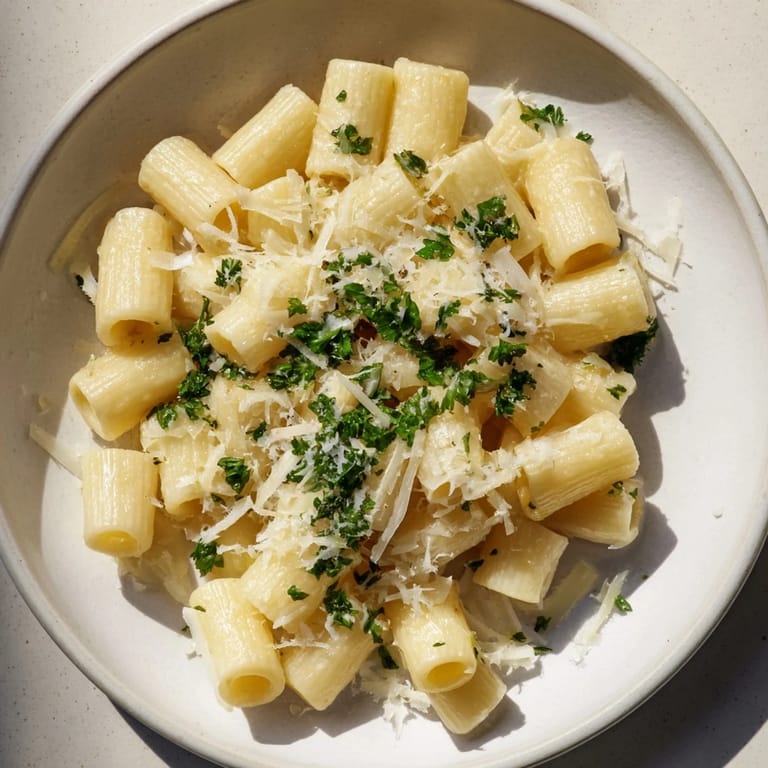
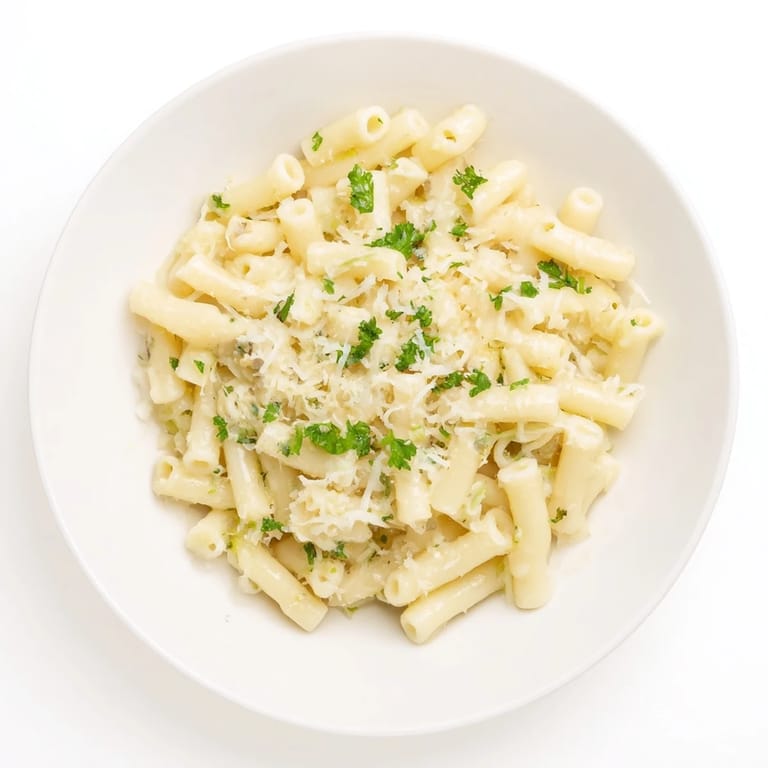
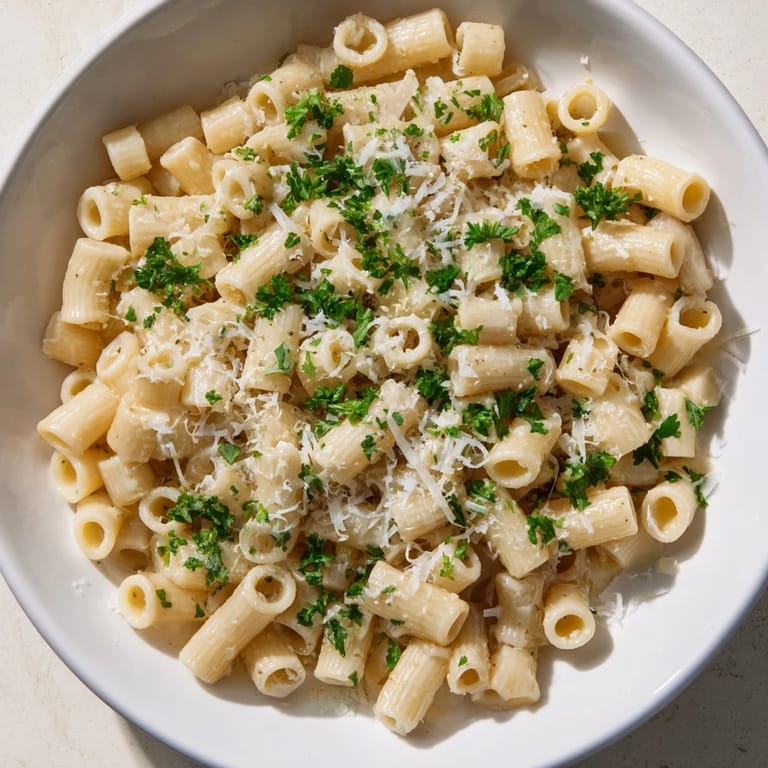
- Let it sit off the heat for 2 minutes so the pasta continues to absorb flavor and thicken slightly. Divide into bowls, top with fresh parsley and extra Parmesan, and eat while it's warm.
 Save
Save I once made this while my friend was sitting at my kitchen counter going through a rough week, and somewhere between the stirring and the smells, she stopped talking about the heavy stuff and just watched the pasta soften and the liquid reduce. By the time we ate, we were laughing about nothing in particular. Food doesn't have to do much sometimes—just be warm and honest.
Why This Works So Well
This dish proves that you don't need cream or stock-simmered foundations to make something rich. The pasta itself becomes the thickener and the carrier of flavor. The butter mellows the garlic while the broth keeps everything fluid, and as the pasta releases starch into the liquid, it transforms into a light, emulsified sauce that coats each piece. It's chemistry that feels like magic because it's so simple you almost miss it happening.
Timing and Texture
The window between al dente and overcooked is narrow here—maybe thirty seconds if you're not paying attention. That's why the stirring matters so much; you're not just preventing sticking, you're actively monitoring how soft the pasta is getting. I've learned to taste a piece at the 10-minute mark and then check every minute or so after that. The pasta will continue to soften even after you've removed the pan from heat, so aim for just-shy-of-done in the pot.
Customizing Your Bowl
This base is so welcoming to additions that it almost invites them.
- Stir in a handful of fresh spinach or peas during the last minute of cooking and they'll warm through without getting mushy.
- If you have cooked chicken or shrimp, add it at the end so it just heats through rather than overcooking.
- A splash of heavy cream or whole milk stirred in right before serving makes it richer, though I find it almost unnecessary.
 Save
Save This is the kind of dish that reminds you why cooking matters—not because it's complex or impressive, but because it's there when you need it, warm and honest and ready in twenty minutes. Make it for yourself on a quiet night, or make it for someone who needs feeding without fuss.
Recipe Questions
- → What type of pasta works best for this dish?
Small pasta shapes like ditalini are ideal as they absorb the flavorful broth evenly and cook quickly in one pot.
- → Can I make this dish vegetarian?
Yes, substitute the chicken broth with vegetable broth and use vegetarian Parmesan to keep it meat-free.
- → How do I avoid the pasta sticking to the pot?
Stir frequently during cooking and add a splash of broth or water if the mixture becomes too dry before the pasta is tender.
- → Can I add vegetables or proteins to enhance the meal?
Sautéed spinach, peas, or cooked chicken can be stirred in towards the end for added nutrition and flavor.
- → What garnishes complement this dish?
Fresh chopped parsley and extra grated Parmesan add freshness and richness to the finished dish.
- → Is it possible to make the dish creamier?
Yes, stir in a couple tablespoons of heavy cream or milk after cooking for a silkier texture.