 Save
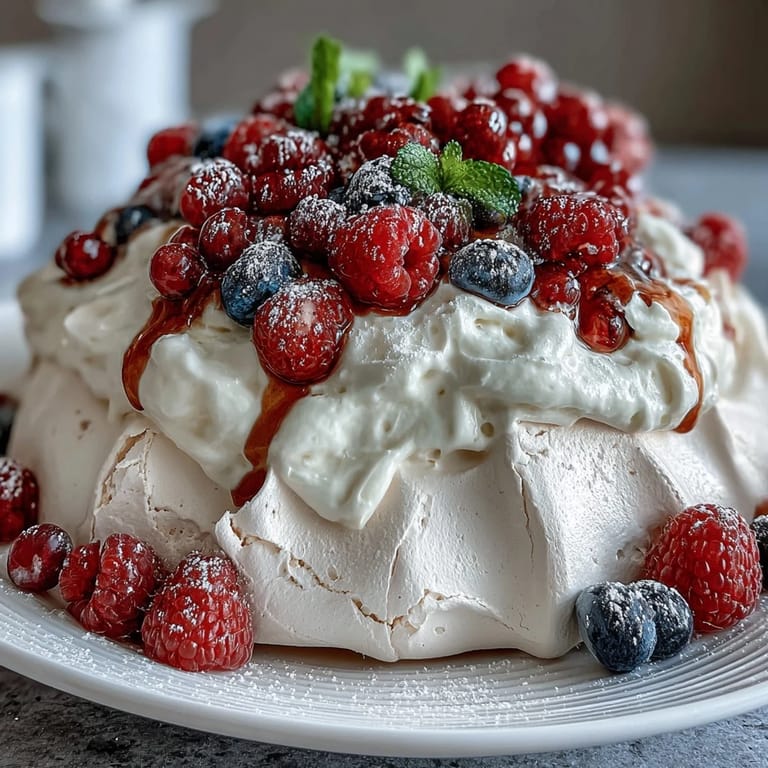
Save My sister called me three days before Mother's Day in a mild panic—she'd volunteered to bring dessert to our family lunch but wanted something that would make our mom actually pause mid-conversation. I suggested a pavlova, and her immediate response was "Isn't that impossibly complicated?" It isn't, though I'll admit the first time I made one, I underestimated how theatrical the whole process feels. The meringue transforms from cloudy egg whites into something glossy and architectural, and there's this magical moment when you pull it from the oven and the kitchen fills with a subtle sweetness that somehow smells like celebration.
That Mother's Day lunch, my sister set the pavlova down and watched our mom's face light up before anyone had even taken a bite. My dad actually whistled. What made it special wasn't perfection—there were a few small cracks in the meringue—but rather that someone had put thought and care into something beautiful and delicious. Mom ate two servings and spent the rest of the afternoon asking my sister for the recipe, which is how you know it landed.
Ingredients
- Egg whites (4 large, room temperature): Room temperature whites whip to greater volume and create a more stable foam—take them out of the fridge at least 30 minutes before starting, and make absolutely certain your bowl is grease-free or they'll refuse to cooperate.
- Superfine sugar (1 cup): Regular granulated sugar works if you pulse it in a food processor first, but superfine dissolves into the whites more seamlessly and gives you that signature glossy finish.
- Cornstarch (1 tsp): This is the secret ingredient that keeps the center marshmallow-soft while the outside stays crisp—don't skip it.
- White vinegar (1 tsp): Stabilizes the meringue and helps maintain that perfect tender-crisp texture throughout baking.
- Vanilla extract (1 tsp for meringue, 1 tsp for cream): Use pure vanilla, not imitation, and you'll taste the difference in how it enriches rather than masks the other flavors.
- Heavy whipping cream (1 cup, chilled): Cold cream whips faster and holds peaks better—if it's been sitting in a warm kitchen, give it 15 minutes in the fridge before whipping.
- Powdered sugar (2 tbsp for cream, 1 tbsp optional for dusting): Dissolves instantly into cream without the grainy texture that regular sugar leaves behind.
- Mixed berries (4 cups total): Choose berries that feel firm and vibrant; soft berries weep and muddy the presentation, and they're best added just before serving so they don't leach juice onto the cream.
- Fresh mint (optional): Adds a bright, unexpected note that somehow makes the whole thing feel more elegant than it actually is.
Tired of Takeout? 🥡
Get 10 meals you can make faster than delivery arrives. Seriously.
One email. No spam. Unsubscribe anytime.
Instructions
- Set up your mise en place:
- Preheat your oven to 250°F and line a baking sheet with parchment paper, tracing a 9-inch circle as your guide—this simple outline takes the guesswork out of shaping. Have all ingredients measured and ready because once you start whipping egg whites, momentum matters.
- Create the foundation:
- In a spotlessly clean, dry bowl, beat the egg whites with a tiny pinch of salt until soft peaks form—this takes about 2 to 3 minutes with a mixer. You want to see the whites transform from clear and foamy to opaque and pillowy.
- Build the meringue:
- Add the superfine sugar one tablespoon at a time while the mixer runs, waiting for each addition to dissolve before adding the next—this slow incorporation is what creates that glossy, stable meringue. Keep beating until stiff peaks form and the mixture looks like shiny marshmallow fluff, usually another 3 to 4 minutes total.
- Fold in the magic ingredients:
- Gently fold the cornstarch, vinegar, and vanilla into the meringue with a spatula using as few strokes as possible—you want to keep all that precious air you've just whipped in. The mixture will look silky and feel lighter than you'd expect.
- Shape your nest:
- Spoon the meringue onto the parchment within your traced circle and shape it with the back of a spoon so the center is slightly lower than the edges, creating that characteristic nest form. The imperfect, rustic look is intentional and charming.
- Low and slow baking:
- Bake at 250°F for 1 hour and 15 minutes—the pavlova should turn pale cream-colored but not brown. Turn off the oven and crack the door open about an inch, letting it cool completely inside for at least an hour, which prevents sudden temperature changes that cause cracking.
- Prepare the whipped cream:
- While the pavlova cools, chill your mixing bowl and whip the heavy cream with powdered sugar and vanilla until soft peaks form. This takes about 2 to 3 minutes and should feel luxurious and cloud-like, not stiff or buttery.
- Assemble with intention:
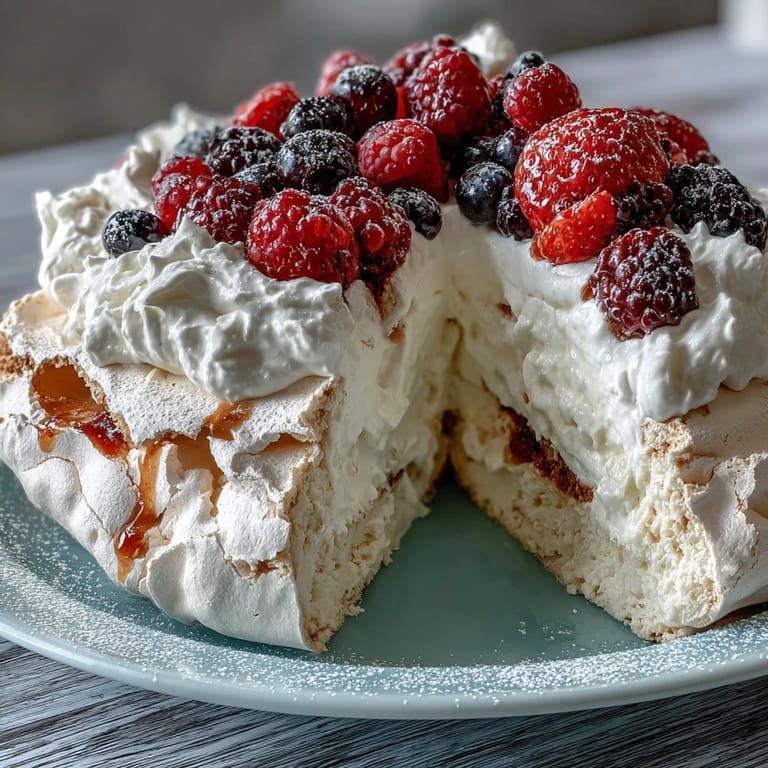
- Once the meringue has cooled completely, transfer it carefully to your serving platter and top generously with whipped cream, spreading it so it pools slightly into the nest. Arrange the berries on top just before serving, scattering mint leaves if you'd like, and dust lightly with powdered sugar.
 Save
Save There's something about serving pavlova that feels like you've performed a small culinary miracle. People taste it and their eyes widen at that first contrast—the unexpected crack of the shell giving way to softness, the cool cream, the burst of fresh berries. It's the kind of dessert that makes people feel celebrated, which is probably why it became the default fancy birthday and Mother's Day dessert in my family.
The Science of Why This Works
The pavlova's magic comes from understanding how air and heat interact. When you whip egg whites, you're essentially trapping thousands of tiny air bubbles in a protein matrix, and as the oven's gentle heat bakes those bubbles, the outside sets and dries while the inside stays soft and marshmallow-like. The cornstarch and vinegar work together to stabilize the foam and prevent the meringue from weeping or collapsing—they're not fancy additions but rather carefully calculated chemistry in dessert form.
Timing and Make-Ahead Strategy
One of the greatest gifts of pavlova is flexibility. You can make the meringue base a full day ahead, storing it in an airtight container at room temperature, and then whip your cream and assemble everything within 30 minutes of serving. I once made the base on Saturday and served it beautifully on Sunday with zero regrets, which means you can actually enjoy your guests instead of spending the afternoon stressed in the kitchen.
Flavor Variations and Seasonal Swaps
While the berry version is classic for good reason, pavlova is remarkably adaptable to whatever your kitchen or season offers. In winter, try sliced kiwi and passionfruit curd; in summer, fresh peaches with a drizzle of honey; or you can fold cocoa powder into the meringue before baking for a chocolate lover's twist. The foundation is so reliable that once you've made it once, you'll confidently experiment with toppings.
- For a chocolate version, sift 2 tablespoons of cocoa powder into the meringue just before folding in the cornstarch.
- Passionfruit curd or lemon curd swirled into the whipped cream adds sophisticated tartness that balances the sweetness beautifully.
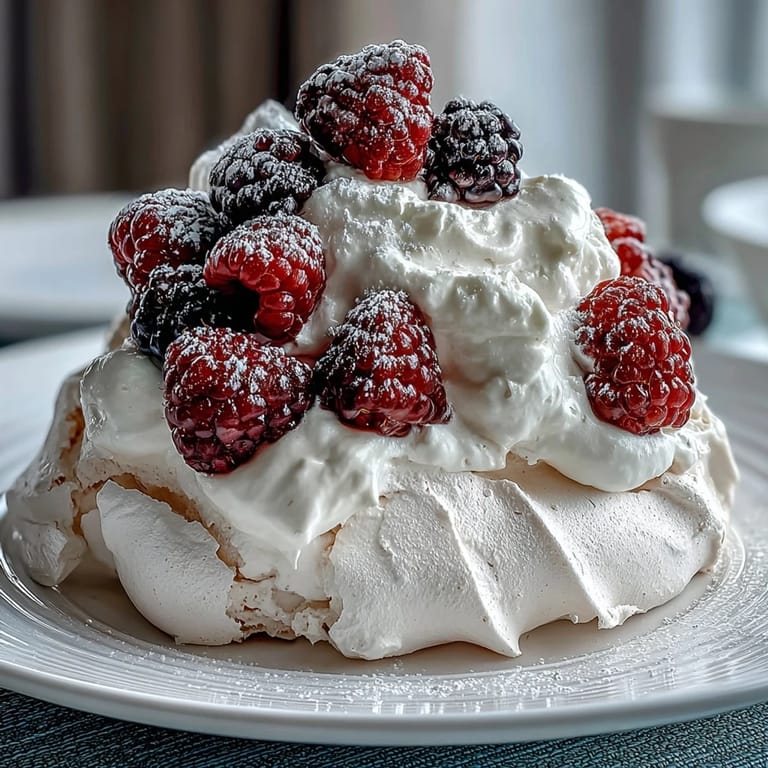
- Don't stress about perfect berry presentation—slightly messy and overflowing actually looks more inviting and homemade.
 Save
Save Pavlova is that rare dessert that looks like you spent hours fussing but actually rewards straightforward technique and patience. Make this for someone you love, and watch their face when they taste it.
Recipe Questions
- → What makes the meringue crispy yet soft inside?
The combination of whipped egg whites, superfine sugar, cornstarch, and vinegar creates a crisp outer shell while retaining a soft marshmallow center once baked and cooled slowly.
- → Can I use different fruits for topping?
Yes, seasonal fruits like kiwi, peaches, or passionfruit can be used as alternatives to mixed berries for varied flavors and colors.
- → How important is drying the meringue properly?
Proper drying ensures a stable, crisp exterior and prevents the meringue from becoming sticky or collapsing.
- → Is it possible to add chocolate to this dessert?
Yes, folding cocoa powder into the meringue before baking adds a chocolate twist without compromising texture.
- → What are the best tools to make this dessert?
A stand or hand mixer, mixing bowls, baking sheet lined with parchment, spatula, and whisk are essential for preparation.