 Save
Save The moment my friend told me she was graduating, I knew I had to make something that felt as momentous as the occasion itself. There's something about baking a tiered cake with your own hands that transforms it from dessert into a small ceremony, a way of saying I see how hard you worked without needing words. I'd been experimenting with gold leaf in the kitchen, mostly by accident, after buying too much one evening, and suddenly the idea of combining delicate edible flowers with shimmering gold felt like the perfect way to celebrate. This cake has become my go-to for life's biggest moments, the kind you slice into and watch people's faces light up before they even taste it.
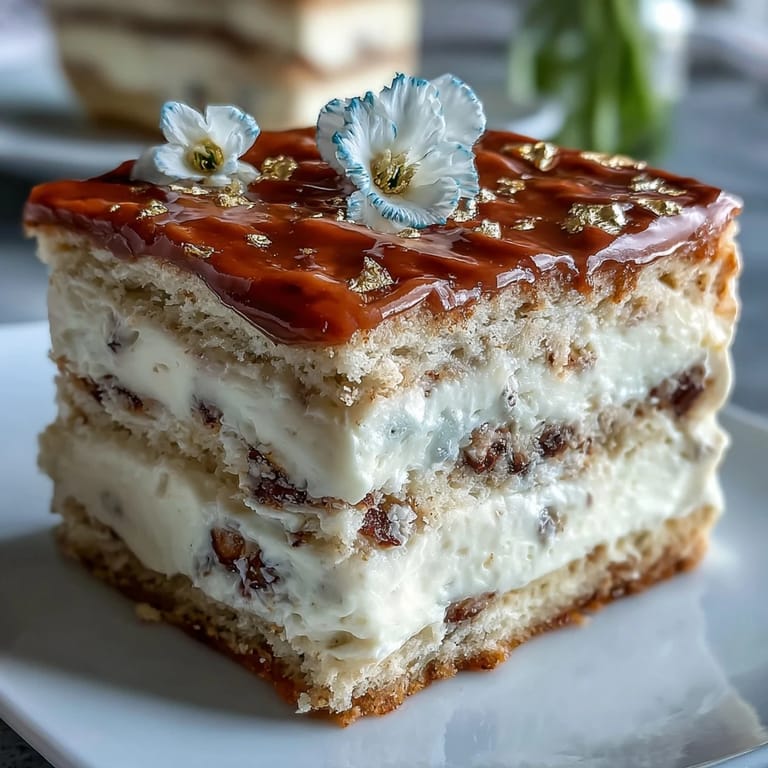
I'll never forget decorating this cake the morning of my cousin's graduation ceremony. My hands were shaking a little as I placed each edible flower, worried I'd mess up the final touches, and my mom came in with coffee and just sat at the kitchen table, watching. She didn't say much, just hummed along to the radio, and somehow that quiet presence made the whole process feel less like pressure and more like love. When we finally carried it to the party and set it down on the table, everyone gasped before anyone even cut into it.
Ingredients
- All-purpose flour (2 1/2 cups): The foundation of a tender crumb, and bringing it to room temperature matters less than getting your technique right.
- Baking powder (2 1/2 tsp): This is what gives you those lovely even layers without the cake doming too much.
- Salt (1/2 tsp): A pinch that makes everything taste more like itself, even if you can't identify it.
- Unsalted butter (1 cup plus 1 1/2 cups): Use good quality if you can, because you taste it in every bite, and it should be soft enough to leave a thumbprint but not greasy.
- Granulated sugar (2 cups plus 1 1/4 cups): Don't skip the creaming step with the butter, it's where air gets trapped and lightness happens.
- Eggs (4 large plus 5 egg whites): Room temperature eggs incorporate more smoothly and create a more uniform batter.
- Vanilla extract (1 tbsp plus 2 tsp): Real vanilla makes a difference here since it's one of the main flavors shining through.
- Whole milk (1 cup): It keeps the cake moist and tender without making it dense.
- Edible gold leaf sheets: Food-grade gold leaf, not craft store gold, adds that luxurious shimmer that catches light and photographs beautifully.
- Assorted edible flowers (pansies, violets, roses): Source these from a reputable supplier or farmers market, never from a regular florist.
- Food-safe paintbrush: A small, soft brush makes applying gold leaf precise and enjoyable rather than frustrating.
- Gold ribbon (optional): The ribbon is purely aesthetic but it frames the whole composition and feels like a finishing touch that says this matters.
Tired of Takeout? 🥡
Get 10 meals you can make faster than delivery arrives. Seriously.
One email. No spam. Unsubscribe anytime.
Instructions
- Set the stage for baking:
- Preheat your oven to 350°F and prepare three 8-inch round pans by greasing them and lining the bottoms with parchment paper. This small step means your layers will release cleanly every single time, no crumbling at the edges.
- Dry ingredients ready:
- Whisk together your flour, baking powder, and salt in a bowl and set it aside. The whisking aerates the flour slightly and distributes the leavening evenly.
- Cream the butter and sugar:
- Beat the softened butter and sugar together for about three minutes until it looks pale and fluffy, almost like soft serve ice cream. This is where you're incorporating air that will make your cake light and tender.
- Bring the eggs in slowly:
- Add eggs one at a time, beating well after each addition so they fully incorporate. Rush this step and you risk a separated, dense crumb.
- Add the vanilla moment:
- Stir in your vanilla extract and let it become part of the batter. This is when your kitchen will smell absolutely incredible.
- Alternate and fold gently:
- Now alternate adding the flour mixture and milk, starting and ending with flour, mixing just until combined. Overmixing develops gluten and makes the cake tough, so stop as soon as you don't see dry streaks.
- Distribute and smooth:
- Divide the batter evenly among the three prepared pans and use an offset spatula or the back of a spoon to smooth the tops so they bake evenly. If your pans are different sizes, the batter will bake unevenly, so try to match them.
- Bake until golden:
- Bake for 28 to 32 minutes, checking with a toothpick inserted in the center. The toothpick should come out clean or with just a few moist crumbs, not wet batter.
- Cool with patience:
- Let the cakes cool in their pans for 10 minutes so they firm up enough to turn out, then flip them onto wire racks to cool completely. Trying to remove them sooner means broken layers.
- Make the Swiss meringue:
- Combine egg whites and sugar in a heatproof bowl set over simmering water, whisking constantly until the mixture reaches 160°F on a thermometer. This pasteurizes the eggs and dissolves the sugar, taking about 5 minutes.
- Whip to stiff peaks:
- Transfer the warmed mixture to a stand mixer and beat on high speed until stiff peaks form and the bowl feels cool to the touch, roughly 8 to 10 minutes. You'll watch it transform from glossy to dense and stable.
- Butter in butter:
- Reduce the mixer speed to medium and add the cubed butter a few pieces at a time, letting each addition incorporate smoothly before adding the next. This creates an emulsion that becomes silky and spreadable.
- Season the frosting:
- Add vanilla extract and a pinch of salt to finish the buttercream. These small additions round out the flavors and make everything taste more refined.
- Layer and crumb coat:
- Place your first cake layer on a serving plate or cake board, spread with buttercream, and repeat with the remaining layers. Apply a thin crumb coat to trap loose crumbs, then chill for 20 minutes.
- Final frosting layer:
- Apply the final thick layer of buttercream and smooth it with an offset spatula dipped in warm water. Take your time here, because this is your canvas.
- Gold leaf application:
- Using a food-safe paintbrush, carefully apply edible gold leaf to select sections of the cake, pressing gently so it adheres. The gold catches light and creates an elevated, jewel-like appearance.
- Flowers as finishing art:
- Arrange your edible flowers decoratively across the cake, positioning them where they complement the gold. Add a gold ribbon around the base if desired for a polished final touch.
 Save
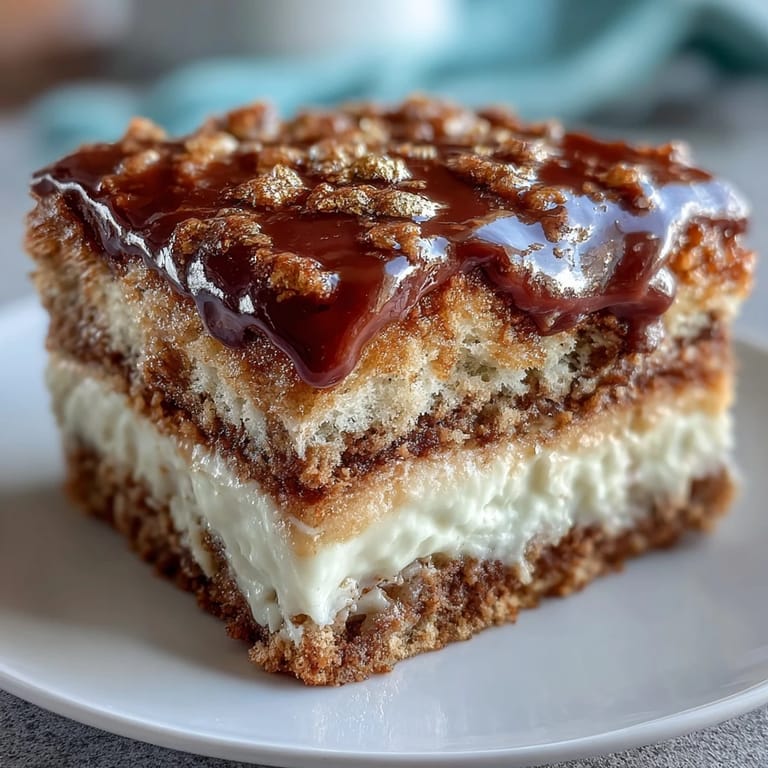
Save What struck me most was how this cake became the focal point of the entire party. People gathered around it before we even served it, taking photographs and pointing out details I'd spent twenty minutes arranging. In that moment, the effort felt completely worth it because it wasn't just about feeding people something delicious, it was about creating a memory they'd all talk about later.
Sourcing Your Edible Flowers
Finding quality edible flowers took me on a mini adventure through farmers markets and specialty food shops. The difference between flowers meant for decoration and flowers meant for eating is literally a matter of pesticides and care, so it's worth seeking out a trusted source. I've learned to call ahead to local bakeries or farmers markets and ask where they get theirs, which often leads to the same grower and a genuinely better product. Some flowers like violets and pansies have delicate, sweet flavors that actually taste good on cake, while others like roses are more about visual beauty and fragrance.
Timing Your Decoration
The temptation to decorate your cake hours in advance is real, but resist it. I learned this the hard way when edible flowers started to wilt and gold leaf lost its luster as humidity built up around them. Decorating within two hours of serving keeps everything looking fresh and vibrant. If you need the cake done earlier, bake and frost it the day before, but save the flowers and gold for the last moment, right before guests arrive or the celebration begins.
Making It Your Own
This cake is beautiful as is, but your celebration is unique and your cake can be too. I've made versions with different colored ribbons that matched the party theme, varied the flowers based on the season, and once even added edible glitter between layers for a surprise when we cut into it. The vanilla sponge and Swiss meringue buttercream are the reliable foundation, and everything else is your chance to add personality and meaning.
- For a chocolate version, substitute 1/2 cup of the flour with unsweetened cocoa powder and add an extra teaspoon of vanilla to balance the bitter notes.
- If fresh flowers aren't available, use only the gold leaf and let the clean elegance of the cake itself shine, or add candied citrus peels for texture and visual interest.
- This cake pairs beautifully with sparkling wine, a light fruit punch, or even a simple vanilla ice cream on the side if you want to serve it as dessert after a meal.
 Save
Save This cake has taught me that the most meaningful celebrations happen when you put thoughtfulness into both the food and the presentation. It's worth the effort, every time.
Recipe Questions
- → What type of flowers work best for decoration?
Choose edible flowers such as pansies, violets, and roses grown without pesticides to ensure safety and vibrant appearance.
- → How should gold leaf be applied to the cake?
Use a food-safe paintbrush to gently place thin sheets of edible gold leaf on the buttercream surface for a delicate, shimmering effect.
- → Can this cake be made chocolate flavored?
Yes, substitute half a cup of flour with cocoa powder in the sponge batter for a chocolate variation.
- → How long does it take to prepare and bake the cake?
Preparation takes about 45 minutes, baking approximately 35 minutes, plus additional time for cooling and decorating.
- → What is the best method to achieve smooth buttercream?
Whisk egg whites and sugar over simmering water until warm, then beat until stiff peaks. Gradually add room temperature butter while mixing for a smooth, creamy texture.
- → Is this cake suitable for vegetarians?
Yes, it contains no meat products and uses vegetarian-friendly ingredients, including eggs and dairy.