 Save
Save I still remember the autumn when my grandmother taught me that a beautiful table tells a story before anyone takes a single bite. That Thanksgiving, she pulled out an old wicker cornucopia and asked me to help fill it with dried fruits, nuts, and cheeses—not as separate ingredients, but as a celebration of abundance itself. It became my favorite way to welcome guests, and every harvest season since, I find myself recreating that same magical moment of plenty spilling across the table.
I'll never forget hosting my first Thanksgiving dinner as an adult—I was nervous about the main course, but when my cornucopia of harvest treasures came to the table, my guests literally gasped. One friend said it was almost too beautiful to eat, then immediately reached for a piece of aged cheddar wrapped in a dried apricot. That moment taught me that sometimes the most memorable dishes aren't complicated; they're thoughtful.
Ingredients
- Dried apricots (1 cup): These become almost candy-like when paired with sharp cheeses—the slight tang is what makes this combination sing. Look for ones that are still slightly pliable, not rock-hard, as they'll be more enjoyable to eat.
- Dried figs (1 cup): Figs bring an earthy sweetness that elevates this from snack to sophistication. They pair beautifully with blue cheese if you're feeling adventurous.
- Dried cranberries (1 cup): These add a tart brightness that cuts through the richness of the nuts and cheese. They're the little flavor bombs that keep your palate interested.
- Dried apple rings (1 cup): I love slicing these into smaller pieces to scatter throughout—they add texture and a subtle sweetness that feels homey.
- Seedless grapes (1 cup, optional): Fresh grapes provide a juicy contrast to all the dried elements. They're optional but worth including for texture variety.
- Walnuts (1 cup): Their earthy, slightly bitter flavor anchors the sweetness of the fruits. Toast them lightly first if you want them to taste even more alive.
- Pecans (1 cup): Buttery and rich, pecans feel more luxurious than their price tag suggests. They soften slightly as they sit, becoming more tender and inviting.
- Almonds (1 cup): Almonds provide a crisp crunch that lasts longer than softer nuts. They're the reliable friend in this group.
- Aged cheddar (6 oz, cut into cubes): The sharpness of aged cheddar is essential—it talks back to the sweetness of the fruits in the best way. Cut generous cubes so people get a real bite of cheese.
- Creamy goat cheese (6 oz): Slice this into rounds or small logs so it's easy to grab. Its tanginess is a secret weapon against cheese fatigue.
- Rustic blue cheese (6 oz, crumbled): Not for everyone, but those who love it will seek it out first. Its pungent flavor deserves respect and pairs dramatically with figs and walnuts.
- Aged gouda or hard cheese (6 oz, cubed): This is your crowd-pleaser—nutty, slightly sweet, and approachable. It bridges the gap between cheddar and blue cheese beautifully.
- Rustic crackers or gluten-free crackers (2 cups): These are the vehicles for everything else. Choose ones with flavor and texture—water crackers feel too bland here. Break some into irregular pieces rather than leaving them whole.
- Baguette slices (from 1 small baguette): Toast these lightly or serve them fresh. They soften slightly as the evening goes on, which some people prefer.
- Fresh rosemary sprigs: The needle-like leaves add a piney fragrance that screams autumn. Tuck them throughout for both flavor and visual appeal.
- Fresh thyme sprigs: Thyme is more delicate than rosemary but equally evocative of the harvest season. Brush your fingers over them as you arrange, and the aroma will fill your kitchen.
- Edible flowers or seasonal leaves (optional): Nasturtiums, pansies, or oak leaves add the final touch of drama. They're not just pretty—they remind us that this is a celebration.
- Wicker cornucopia basket or homemade bread horn: This is your vessel, your statement piece. Even a simple bread horn, warm from the oven, makes this feel like art.
Tired of Takeout? 🥡
Get 10 meals you can make faster than delivery arrives. Seriously.
One email. No spam. Unsubscribe anytime.
Instructions
- Prepare your canvas:
- Place your cornucopia or bread horn on your largest, most beautiful serving platter or wooden board. Step back and imagine the empty space that will soon overflow with treasure. This moment of potential is part of the magic.
- Build the cheese foundation:
- Arrange your cheeses inside the opening of the horn, letting some pieces tumble out as if they can't be contained. Create variety by grouping different cheeses together, then let their edges touch and overlap. Think of this like painting—you're creating contrast and flow.
- Layer with drama:
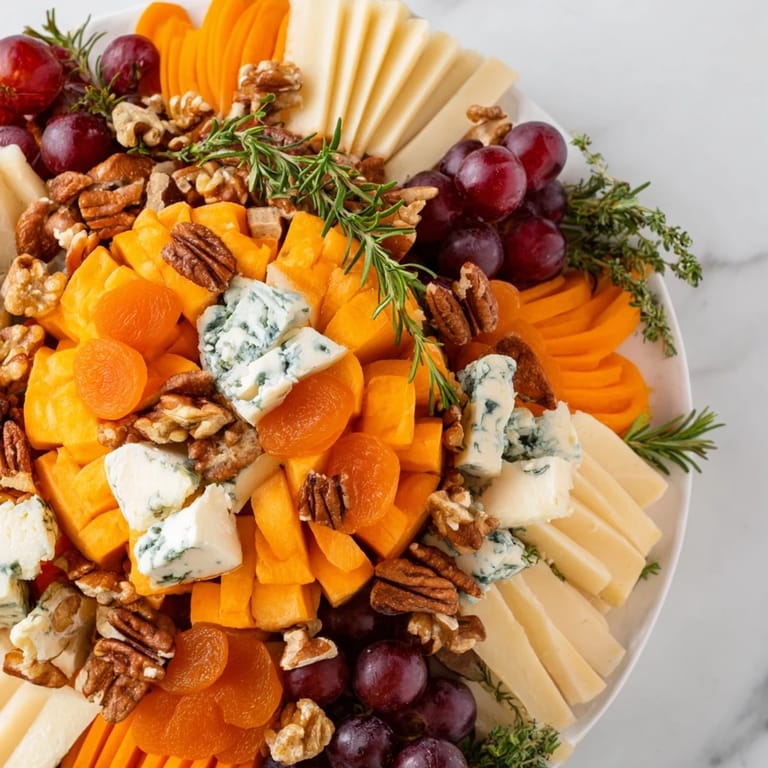
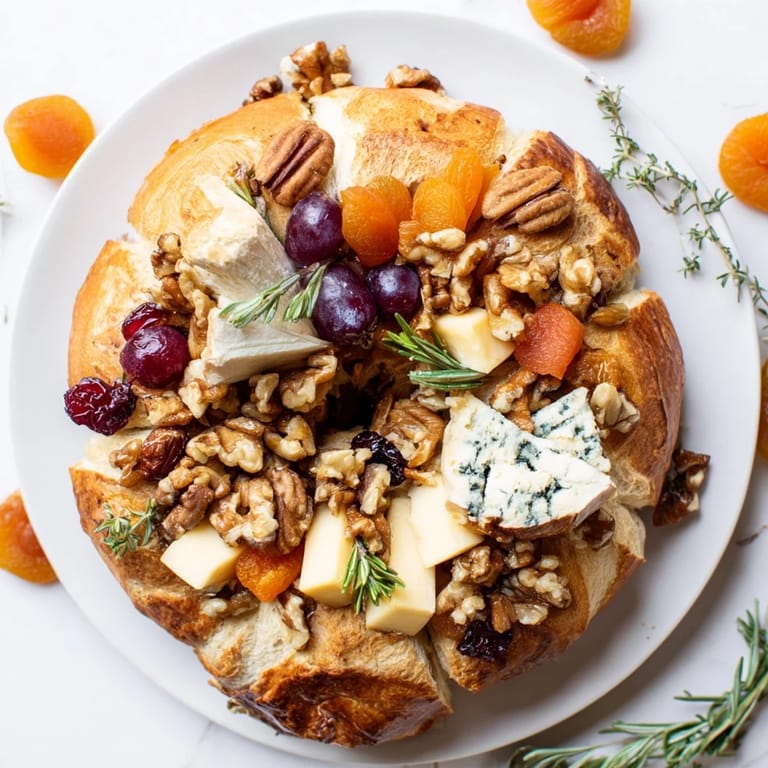
- Now comes the fun part—scatter your dried fruits and nuts around and spilling out of the horn. Mix the colors deliberately: deep burgundy cranberries next to golden apricots, scattered with dark figs. Don't arrange in neat rows; let them cascade and mingle. This should feel abundant, even slightly chaotic in the best way.
- Tuck in the crackers and bread:
- Place crackers and bread slices along the sides and nestled among the fruits and nuts. Some should stand upright, others should lay flat, and a few should peek out from underneath other elements. Leave gaps—these negative spaces actually make the arrangement feel more, not less, abundant.
- Crown with herbs and flowers:
- Add fresh rosemary and thyme sprigs throughout, and scatter edible flowers if using them. These final touches bring freshness and signal to your guests that this is a living, breathing celebration of the season. Don't be shy—layer them in generously.
- Serve with intention:
- Keep everything at room temperature so flavors shine. Provide small plates and small tongs if you want to be formal, or let guests use their hands for a more intimate gathering. Either way, invite them to build their own bites—a little cheese with dried fruit, a nut with a cracker, their own edible poem.
 Save
Save Last year, my teenage daughter asked if she could help me arrange the cornucopia, and suddenly I was watching her discover that food could be art. She spent forty minutes getting the color balance just right, and when her friends came over and everyone paused before eating to admire it, I saw her stand a little taller. That's when I realized this recipe isn't just about feeding people—it's about creating a moment they'll remember.
The Story Behind This Edible Centerpiece
The cornucopia, or horn of plenty, dates back to ancient mythology and has symbolized abundance and gratitude for thousands of years. What started as a symbol on harvest tables has evolved into an actual celebration of what we have and what we're grateful for. When you fill a cornucopia with food, you're participating in a tradition that connects you to every person who's ever wanted to say, 'We have enough, and we have each other.' This version strips away pretense—no cooking stress, just pure abundance and flavor.
Cheese Selection and Pairing Secrets
The real magic here is in understanding how different cheeses interact with sweet and savory elements. Aged cheddar longs for the sweetness of dried apricots. Goat cheese wants to be balanced by the earthiness of walnuts. Blue cheese belongs with figs—this pairing is so classic it feels almost choreographed. The key is giving yourself options so guests can discover their own favorite combinations. I've learned that when people have agency in building their bites, they eat more mindfully and enjoy more deeply. Don't think of this as separate ingredients; think of it as a conversation between flavors.
Building a Board That Feeds Both Eyes and Stomach
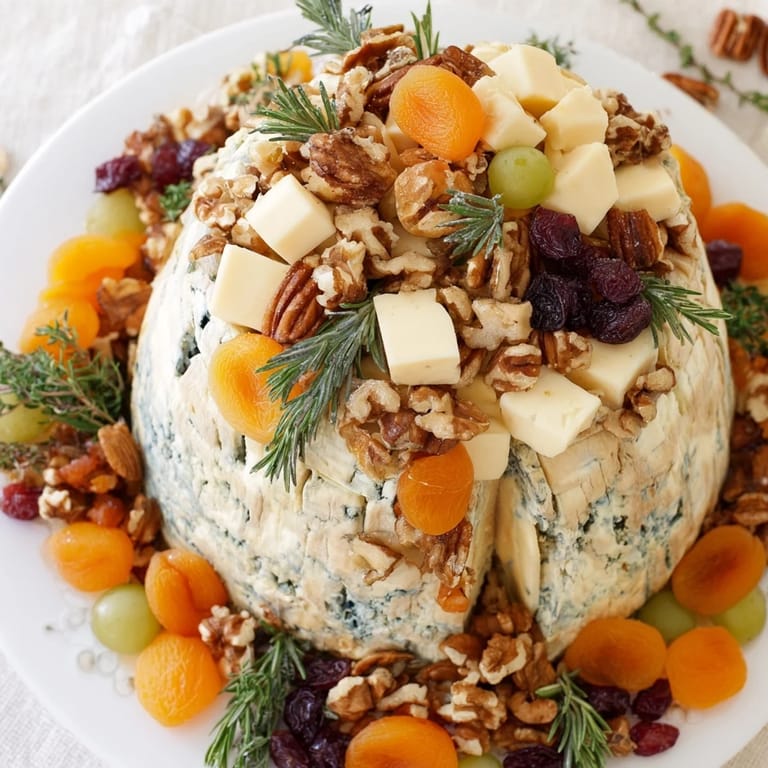
Arrange this cornucopia with the same care you'd give to any work of art. Balance light and dark. Create pathways with height variations—some elements high, some nestled low. Use color repetition so your eye travels around the whole board rather than settling in one spot. And here's what I've discovered: slightly overflowing looks more abundant than perfectly proportioned. Guests should feel like they're uncovering buried treasure as they explore.
- Start with your focal point (the cornucopia) and build outward, not the other way around
- Leave intentional gaps and negative space—these actually make the board feel more generous
- Position items at different angles and heights rather than laying everything flat
 Save
Save Every time I set this table, I'm reminded that the most generous gifts are often the simplest ones—good food, beautiful presentation, and the message that you're worth celebrating. That's what this cornucopia says.
Recipe Questions
- → Can I substitute the cheeses used in the horn?
Absolutely. Feel free to swap in your preferred cheeses to match taste or dietary needs while maintaining a balanced variety of textures and flavors.
- → Is there a way to make the horn base edible?
Yes, shape bread dough around a foil-covered cone, bake until golden, and allow it to cool before filling with the fruits, nuts, and cheeses.
- → How can I add extra flavor to the arrangement?
Serve with side accompaniments like honey, fig jam, or apple butter to complement the savory and sweet elements.
- → What garnishes work best for an autumn theme?
Fresh rosemary and thyme sprigs add herbal aroma, while edible flowers or seasonal leaves enhance the harvest look.
- → Are gluten-free options possible here?
Yes, using gluten-free crackers instead of traditional ones ensures the display suits gluten-sensitive guests.