 Save
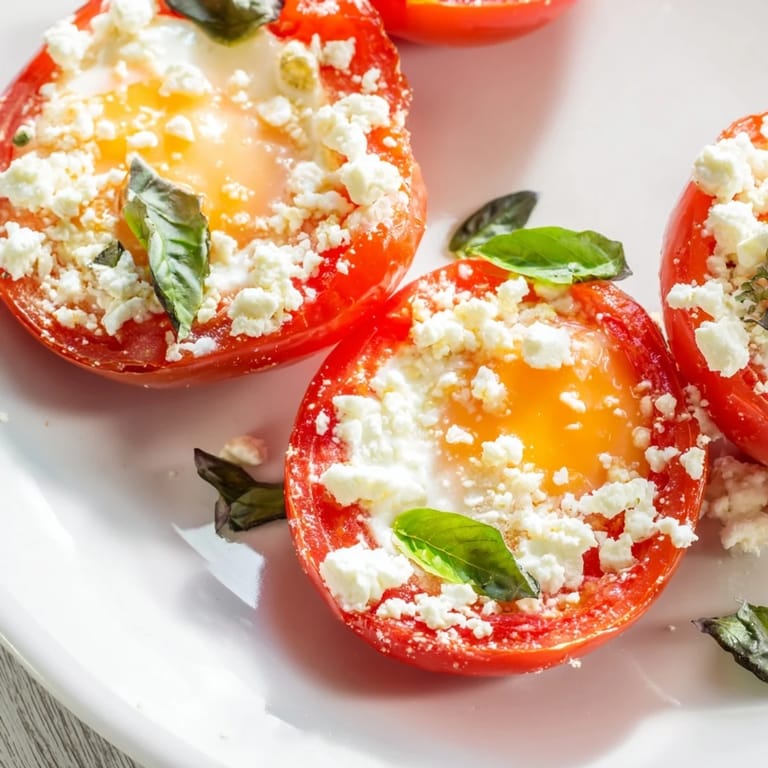
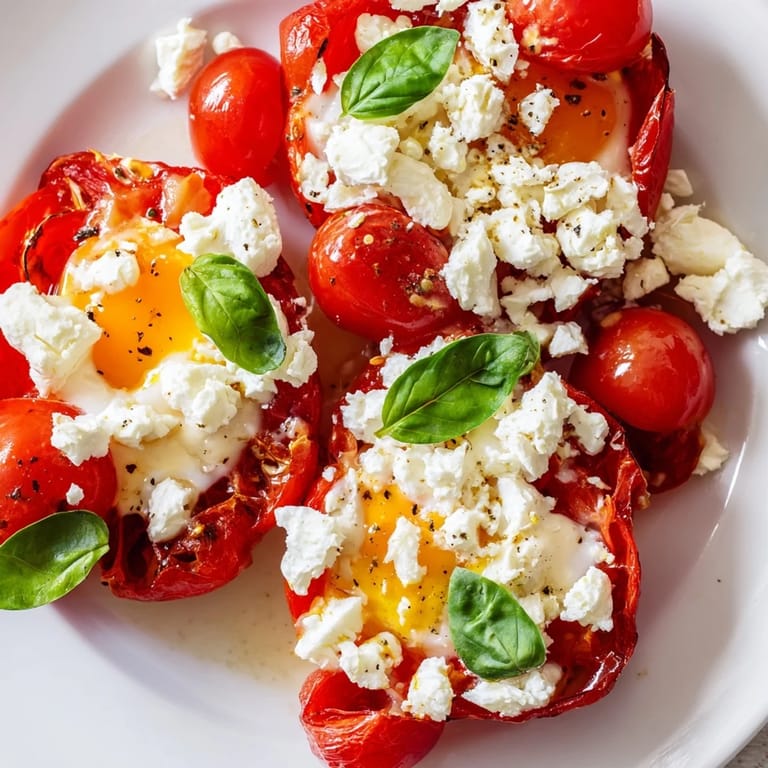
Save One Sunday morning, I was juggling three things at once—a friend texting about dropping by, my coffee getting cold, and the nagging question of what to feed four hungry people without fussing. I opened the fridge and saw a container of feta, some bright grape tomatoes, and suddenly the answer was obvious: everything could go on one pan, and the oven would do most of the work while I actually finished my coffee. That first time making this, I was amazed how the tomatoes turned jammy and sweet, how the eggs cradled themselves into little pockets of warmth, and how feta melted into creamy pools that made everyone lean in closer with their bread.
I made this for my sister's birthday brunch last spring, back when we were both a little tired and pretending we had our lives together. She arrived early and we stood in the kitchen with fresh basil from her garden, and I watched her face light up when the eggs emerged from the oven—still steaming, all that golden basil scattered on top. We ate straight from the pan with torn pieces of sourdough, sitting on the back steps in the sun, and somehow that simple moment felt like everything a brunch should be.
Ingredients
- Grape tomatoes, halved (2 cups): These little gems roast into concentrated sweetness and release their juices into a light sauce—don't substitute with cherry tomatoes, which cook too quickly and lose their shape.
- Feta cheese, crumbled (6 oz): Buy a block and crumble it yourself if you can; pre-crumbled sometimes has anti-caking agents that keep it from melting into those creamy pockets you're after.
- Large eggs (8): Cold eggs straight from the fridge will take a second longer to set, which actually works in your favor if you like yolks that flow onto your toast.
- Garlic, minced (2 cloves): Mince it small so it can scatter and toast evenly; big chunks burn before the eggs are done.
- Extra-virgin olive oil (2 tbsp): This is where the flavor comes from—don't skimp on quality here.
- Fresh basil (1/3 cup): Tear it by hand rather than cutting with a knife so it releases its oils just as you scatter it over the hot pan.
- Oregano, red pepper flakes, salt, and black pepper: Oregano belongs on sheet pan eggs—it's the quiet backbone of Mediterranean breakfast—and red pepper adds just a whisper of heat.
- Red onion, thinly sliced (1 small, optional): If you use it, slice it thin so it softens properly and doesn't overpower the other flavors.
Tired of Takeout? 🥡
Get 10 meals you can make faster than delivery arrives. Seriously.
One email. No spam. Unsubscribe anytime.
Instructions
- Heat your oven and prep your pan:
- Preheat to 400°F and line a rimmed sheet pan with parchment paper or give it a light oil coating—the pan should be large enough that the tomatoes spread in a single layer without crowding. A crowded pan means steam instead of roasting, and you want that dry, caramelized edge.
- Get the tomatoes blushing:
- Scatter the halved tomatoes, minced garlic, and sliced red onion across the pan, then drizzle with olive oil and sprinkle with oregano, red pepper flakes, salt, and pepper. Toss everything with your hands so every piece gets coated, then slide it into the oven for 10 minutes—you want the tomatoes to just begin softening at the edges, releasing their liquid but still holding their shape.
- Make room for the eggs:
- Pull the pan out and work quickly here: use a spoon to create 8 small wells among the tomatoes and onion, pushing them aside gently to make room. Crack one egg into each well—I like to crack them into a small bowl first, just to make sure no shells surprise me—then scatter the crumbled feta all over the top and around the eggs.
- Bake until just set:
- Return to the oven for 8 to 10 minutes, watching carefully toward the end. The egg whites should turn opaque and set while the yolks stay slightly jiggly in the center—this is the sweet spot where you get all that creamy richness. If you prefer firmer yolks, give it another minute or two.
- Finish and serve:
- The moment it comes out, scatter torn basil all over the pan so it wilts just slightly from the heat. Serve it right from the pan with bread alongside—this dish is meant to be shared directly from where it cooked, steam and all.
 Save
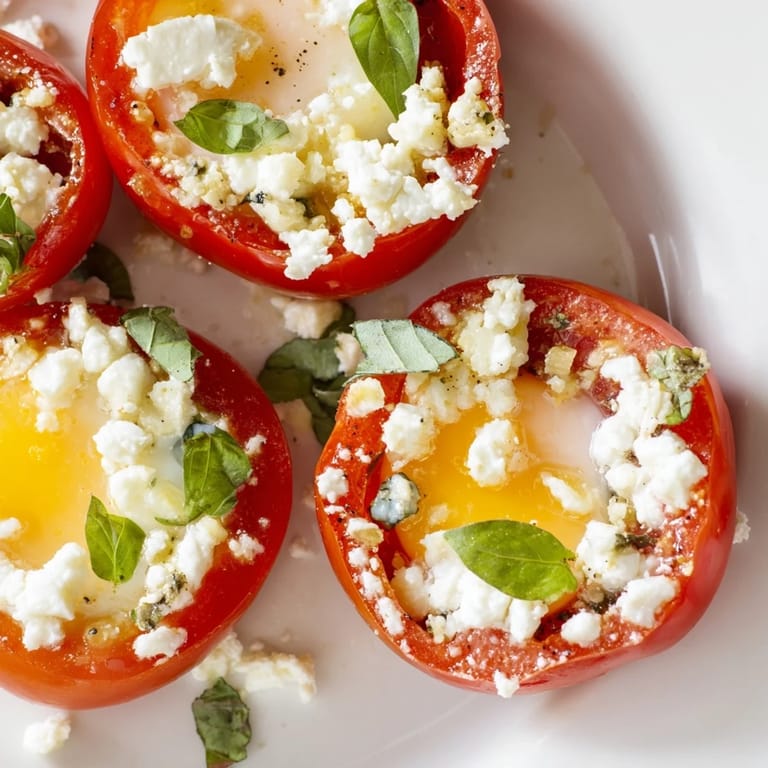
Save There's a moment right when you pull this from the oven where the whole kitchen smells like warm garlic and oregano, and the feta is still melting into pockets of creaminess, and you realize you've made something that feels both effortless and special. That's when you know why this became the dish you make whenever you want to feel like you've got time and care to spare.
When to Make This
This is the breakfast that bridges the gap between weekday scrambled eggs and weekend brunch—ambitious enough to feel like you've put in effort, simple enough that you actually will make it on a Tuesday. I've served it to unexpected guests, made it while hungover, and even brought it to potlucks in a disposable aluminum pan, and every single time people asked for the recipe. It works for breakfast, works for a light dinner with soup on the side, works when you're tired but want something that feels nourishing.
Building Your Own Variations
The beauty of a sheet pan is that it welcomes improvisation without falling apart. I've added handfuls of baby spinach or torn pieces of roasted red pepper, scattered a handful of olives among the tomatoes, even crumbled some crispy pancetta over the top before the eggs go in. The Mediterranean flavors are forgiving—anything bright and tangy and fresh seems to belong here. Just respect the cooking times: delicate additions like spinach go in with the tomatoes so they soften gently, while anything with moisture content needs a thought about whether it'll release liquid during baking.
The Bread Question
There's a reason this begs for bread on the side, and it's not just tradition—it's practical logic wrapped in comfort. Toasted sourdough or warm pita becomes your vessel for capturing the creamy feta and jammy tomato juice, and suddenly what might feel light becomes deeply satisfying. If you have good bread, the meal becomes about the bread too; if you don't, the eggs and cheese are rich enough to stand alone. A drizzle of fresh pesto or a spoonful of good quality olive oil swirled on top right before serving adds a whisper more richness that makes people pause mid-bite.
- Tear or cut your bread into pieces before serving so people can dig in without ceremony.
- If you want to toast the bread, do it while the eggs cook so everything comes together hot.
- A squeeze of fresh lemon over the top, added in the last second, wakes up all the flavors if things feel too rich.
 Save
Save Make this whenever you want breakfast to feel like celebration, or whenever you want to prove to someone (including yourself) that simplicity and flavor aren't mutually exclusive. It's the kind of dish that reminds you why you love cooking in the first place.
Recipe Questions
- → Can I prepare this dish ahead of time?
It's best enjoyed fresh from the oven to maintain the texture of the eggs and freshness of the basil. However, you can prep the vegetables and seasonings in advance for quicker assembly.
- → What can be used instead of feta cheese?
For a milder flavor, ricotta or goat cheese can be used as alternatives, providing a creamy contrast to the roasted tomatoes and eggs.
- → How do I achieve runny yolks when baking?
Bake for about 8–10 minutes, keeping a close eye to ensure the whites are set while the yolks remain slightly runny. Oven times can vary.
- → Can I add other vegetables to this dish?
Yes, adding baby spinach, sliced bell peppers, or even cooked potatoes before roasting can add heartiness and extra flavor.
- → What is the role of fresh basil in this dish?
Fresh basil adds a bright herbal note and freshness, balancing the richness of feta and eggs while complementing the roasted tomatoes.
- → Is this dish suitable for gluten-free diets?
Yes, all the main ingredients are naturally gluten-free, making it suitable for gluten-sensitive individuals.