 Save
Save One Tuesday evening, my neighbor stopped by with a bag of cabbage from her garden, and I had maybe fifteen minutes before dinner guests arrived. I remembered my grandmother's trick of letting garlic whisper into hot oil before adding vegetables, and something clicked that night—how a humble head of cabbage could transform into something that tasted like a Mediterranean coastal town. That quick sauté became my secret weapon for weeknight dinners, the kind of dish that makes people ask for the recipe even though it sounds too simple to bother asking about.
I made this for a potluck once where everyone brought something with three ingredients and Instagram-worthy plating, and somehow this humble cabbage pan stole the show. A friend asked if it was from a fancy restaurant, and I loved that moment—not because I wanted credit, but because it proved that simple, honest cooking sometimes speaks louder than complicated techniques.
Ingredients
- Green cabbage, thinly sliced: The thinner you slice, the faster it cooks and the more evenly the heat transforms it; a sharp knife or mandoline makes this effortless.
- Red onion: It adds a gentle sweetness and a hint of color that brightens the whole dish without overpowering it.
- Garlic, minced: Use fresh cloves, never the jarred kind, because that thirty seconds in hot oil is where the magic lives.
- Extra-virgin olive oil: Don't use the cheap stuff here—this is one of the few ingredients that actually gets tasted on its own.
- Ground cumin: It brings warmth and earthiness, the kind of spice that makes you feel like you're traveling.
- Sweet paprika: This is your color and your mild pepper flavor; it keeps things friendly and approachable.
- Dried oregano: A half teaspoon is enough to tie everything to the Mediterranean without becoming overwhelming.
- Crushed red pepper flakes: Optional, but they add a subtle heat that sneaks up on you pleasantly if you're open to it.
- Fresh parsley for garnish: It's the final flourish that says you cared enough to finish what you started.
- Lemon wedges: Squeeze them over just before eating to brighten everything and cut through the richness beautifully.
Tired of Takeout? 🥡
Get 10 meals you can make faster than delivery arrives. Seriously.
One email. No spam. Unsubscribe anytime.
Instructions
- Warm your oil and ready the pan:
- Pour the olive oil into a large skillet and let it heat over medium until it shimmers and smells alive. This takes about a minute, and it's worth waiting for because cold oil won't give you the flavor foundation you're building.
- Soften the onion first:
- Add the sliced red onion and let it cook undisturbed for about two minutes, then stir it around until the edges turn translucent and it starts to smell sweet. This step matters because onions are your flavor base, and they need a moment to surrender to the heat.
- Introduce the garlic carefully:
- Stir in the minced garlic and count to thirty as it sizzles—you'll smell when it's ready, that toasted aroma that makes you hungry. Don't let it brown because bitter garlic will haunt the entire dish, so stay close and keep stirring.
- Add the cabbage and coat it well:
- Dump in all your sliced cabbage and toss it around until every piece gets kissed by the oil and aromatics. This takes maybe a minute of enthusiastic stirring, and the cabbage will seem like too much, but it wilts down beautifully.
- Season generously and taste as you go:
- Sprinkle in the cumin, paprika, oregano, and red pepper flakes if you want heat, then add salt and pepper to your preference. Stir everything together so the spices distribute evenly and start to toast slightly in the hot pan.
- Sauté until the edges caramelize:
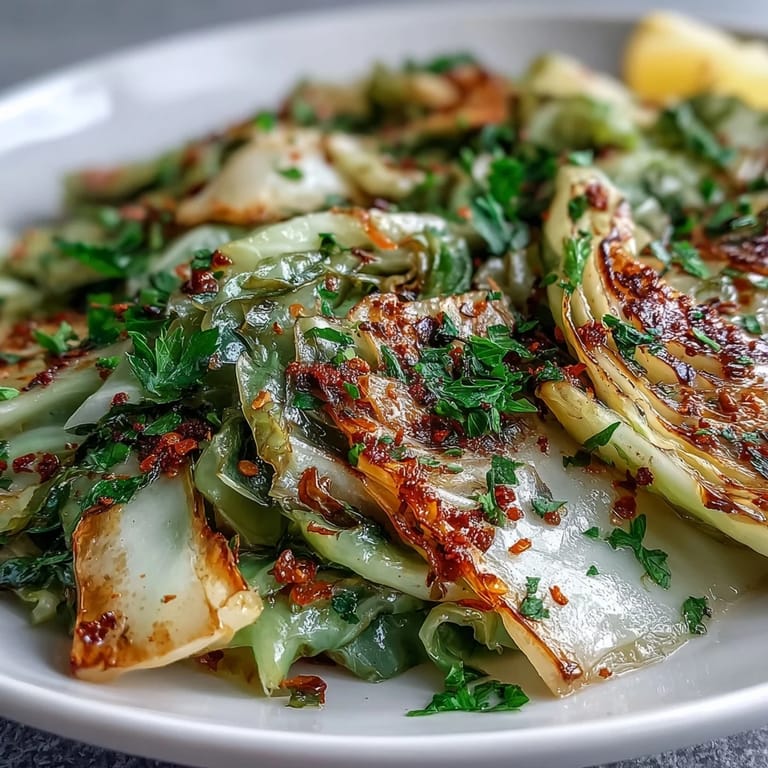
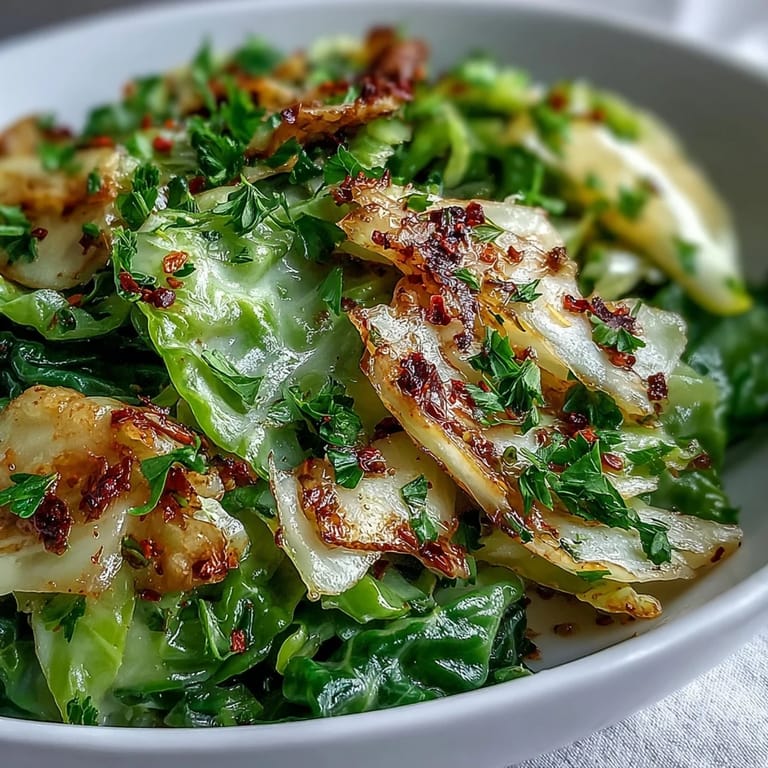
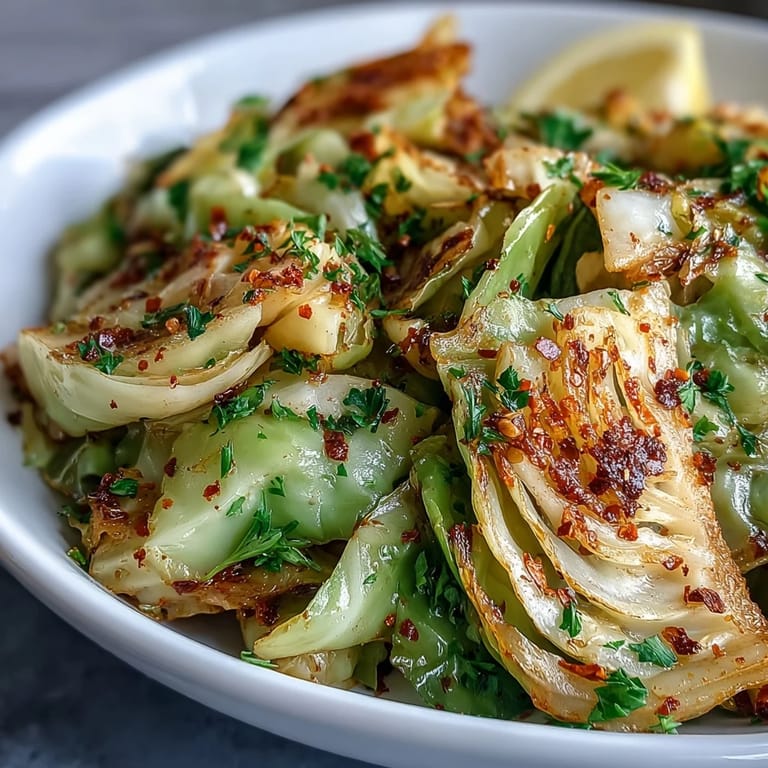
- Let the cabbage cook for six to eight minutes, stirring occasionally, until it's tender but still has a little bite and the edges turn golden brown. This is where the magic happens—the longer you let it cook, the more the natural sugars concentrate and create those delicious caramelized bits.
- Taste and adjust before finishing:
- Take a bite and decide if you need more salt, more lemon brightness, or more heat. This is your moment to make it exactly how you want it, because from here it's just plating.
- Finish with fresh parsley and serve:
- Remove from heat, scatter the chopped parsley over the top, and bring the whole skillet to the table with lemon wedges on the side. Let people squeeze their own lemon because that final brightness makes every bite taste intentional.
 Save
Save There's something wonderful about watching someone who claims to hate cabbage eat this with quiet enthusiasm, never quite realizing what they're eating. That's when I know a recipe has done its job—when it transforms something humble into something people actually want on their plate.
Why This Works as a Side Dish
This cabbage doesn't hide behind the main dish; it holds its own with grilled fish, roasted chicken, or even as part of a mezze platter where it gets to mingle with hummus and olives. The Mediterranean spices make it feel intentional and seasoned enough that it satisfies on its own, not like an afterthought at the edge of the plate. I've served it warm and at room temperature, and it actually improves as it cools because the flavors have time to settle and deepen.
Simple Variations to Keep It Fresh
Once you understand how the basic version works, you can play with it without fear of failure. Cherry tomatoes added in the last two minutes bring a burst of brightness and a little tartness that plays beautifully against the caramelized cabbage. Smoked paprika instead of sweet paprika takes the whole dish somewhere deeper and more complex, like you're cooking over a fire instead of a regular stove.
Storage and Make-Ahead Magic
This dish is one of those rare recipes that tastes better the next day because the flavors have time to marry and become something more cohesive. You can make it several hours ahead, store it in a covered container in the refrigerator, and reheat it gently in the skillet with a splash of water or a squeeze of lemon to wake everything back up. It's also wonderful at room temperature, which makes it perfect for packed lunches or summer meals when you don't want to heat up the kitchen.
- Store leftovers in an airtight container for up to four days, and the flavors only get friendlier as time goes on.
- Reheat gently over low heat with a tablespoon of water to prevent sticking and restore the silky texture.
- Serve it alongside anything Mediterranean—grilled vegetables, a simple grain, some creamy yogurt—and let it shine.
 Save
Save This is the kind of recipe that becomes part of your regular rotation because it's fast, forgiving, and somehow manages to taste like you spent more time than you actually did. Make it once and you'll understand why my neighbor keeps leaving bags of cabbage at my door.
Recipe Questions
- → Can I use a different type of cabbage for this dish?
Yes, you can substitute green cabbage with savoy cabbage, Napa cabbage, or even a mix of green and red cabbage for added color. Adjust cooking time slightly as some varieties cook faster than others.
- → How do I prevent the garlic from burning?
Add the garlic after the onions have softened and cook it for only 30 seconds until fragrant. Stir constantly and keep the heat at medium to prevent browning, which can make garlic taste bitter.
- → Can I make this dish ahead of time?
Yes, you can prepare it up to 2 days in advance. Store in an airtight container in the refrigerator and reheat gently in a skillet over medium heat. Add a splash of water if needed to prevent drying out.
- → What can I serve with this sautéed cabbage?
This versatile side pairs wonderfully with grilled fish, roasted chicken, lamb chops, or falafel. It also works beautifully as part of a Mediterranean mezze platter alongside hummus, olives, and pita bread.
- → How can I add more protein to this dish?
To make it more substantial, add cooked chickpeas, white beans, or crumbled feta cheese during the last few minutes of cooking. You can also top it with toasted pine nuts or sliced almonds for added texture and protein.
- → Can I adjust the spice level?
Absolutely. Increase the crushed red pepper flakes for more heat, or omit them entirely for a milder version. You can also add a pinch of cayenne pepper or use hot paprika instead of sweet paprika for extra kick.