 Save
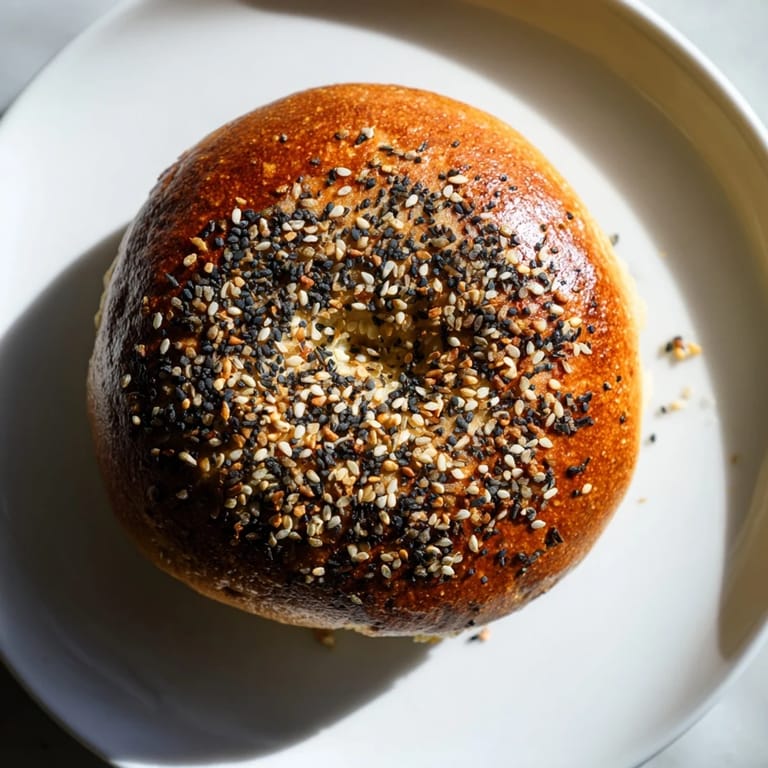
Save I discovered these bagels by accident one weekday morning when I was out of yeast and didn't want to wait for a long rise. My daughter was pleading for fresh bagels, and I remembered yogurt-based doughs from a friend's kitchen notes. Ten minutes later, I had dough ready to shape, and the oven's warmth filled the kitchen with that unmistakable bagel aroma—chewy, golden, instantly ready. What started as improvisation became our favorite grab-and-go breakfast.
I'll never forget the first time I made these for my partner's coworkers at an impromptu breakfast gathering. As everyone bit in, expecting the dense chewiness of store-bought bagels, their surprised reactions said everything—fluffy, tender, nothing like what they expected. Someone asked if I'd made them fresh that morning, and when I said they'd been baked less than an hour before, the kitchen fell quiet except for the sound of people asking for the recipe.
Ingredients
- Self-rising flour (1 cup, 130g): This ingredient does the heavy lifting, carrying baking powder and salt within it so you skip the leavening agents entirely. If you measure by weight, you'll get more reliable results; if scooping, spoon it in gently and level off.
- Plain Greek yogurt (1 cup, 230g): Full-fat versions yield slightly richer bagels, but low-fat works just as well. The tanginess adds depth to the flavor while keeping the dough impossibly tender.
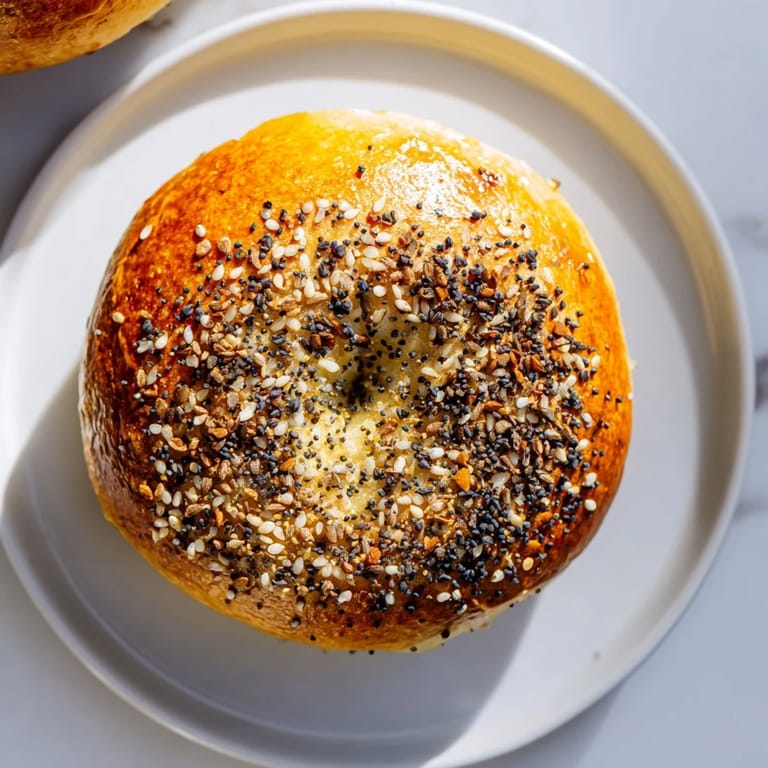
- Large egg (1, for egg wash): This burnishes the surface to that gorgeous golden-brown finish and gives the seasoning something to cling to.
- Everything bagel seasoning (2 tablespoons): Don't hold back here—this is where personality lives. Toast it lightly in a dry pan first if you want the flavors to pop even more intensely.
Tired of Takeout? 🥡
Get 10 meals you can make faster than delivery arrives. Seriously.
One email. No spam. Unsubscribe anytime.
Instructions
- Set the stage:
- Preheat your oven to 375°F and line a baking sheet with parchment paper. This simple step prevents sticking and makes cleanup almost nonexistent.
- Marry the dough:
- Combine the flour and yogurt in a medium bowl, stirring with a spoon until shaggy clumps form. The texture should look rough and uneven at first—that's exactly right.
- Knead gently:
- Turn the dough onto a lightly floured surface and knead for just 2–3 minutes until it feels smooth and slightly elastic. Resist the urge to knead longer; overdoing it toughens the bagels.
- Divide and shape:
- Portion the dough into four equal pieces. Roll each into a rope about 7–8 inches long, then curve it into a bagel shape and pinch the ends together firmly so they don't separate during baking.
- Ready for the oven:
- Arrange bagels on your prepared baking sheet, leaving a little space between them. Beat the egg in a small bowl and brush it generously over each bagel.
- Seasoning ceremony:
- Sprinkle the everything bagel seasoning generously over each bagel, making sure some lands on the sides too. This is your moment to be generous.
- Bake to golden:
- Bake for 22–25 minutes until the tops are deep golden brown and a tap on the bottom sounds hollow. The kitchen will smell incredible by minute 15.
- Cool briefly:
- Let the bagels rest on a wire rack for 5 minutes before eating. This small pause lets the interior set without becoming dense.
 Save
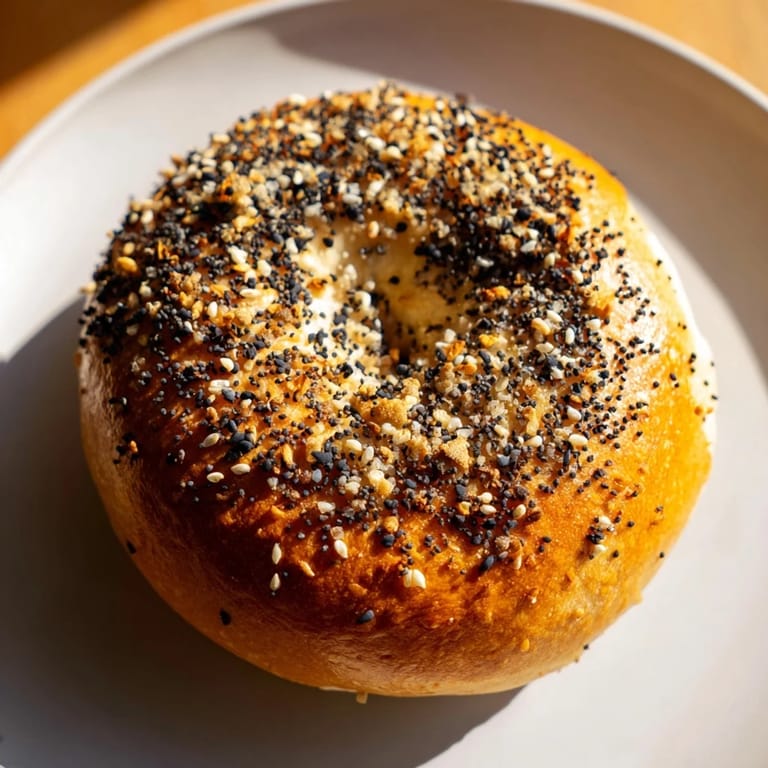
Save There's a quiet joy in pulling warm bagels from the oven on a sleepy morning, knowing you made them yourself without complicated techniques or long waits. It's the kind of homemade comfort that feels both indulgent and totally achievable.
Why This Recipe Works
Traditional bagels demand patience—poolish, long fermentation, boiling—which is why most people buy them instead. This shortcut leans on Greek yogurt's tangy moisture and self-rising flour's built-in leavening to skip every single step that usually keeps homemade bagels out of reach. The result is something that tastes like it took effort, even though you're mixing and baking in under an hour. The texture isn't dense like a bagel-shop bagel; it's closer to a tender biscuit with a slight chew, which honestly might be better for breakfast anyway.
Variations and Swaps
If you want to build different versions, the dough is forgiving enough to accommodate change. Swap out the everything bagel seasoning for sesame seeds, poppy seeds, or even a simple coarse salt for a more delicate flavor. Some people brush their bagels with melted butter before seasoning instead of egg wash, which gives a gentler sheen and slightly different browning pattern. You can also skip the seasoning entirely and make plain bagels, then top them after baking with whatever you're spreading on them—cream cheese takes on a new dimension when it meets warm, homemade dough.
Storage and Make-Ahead
These bagels are absolutely best the day you make them, still slightly warm with that soft interior and seasoned crust. But life doesn't always work that way, so here's what I've learned: wrap cooled bagels in a clean kitchen towel, then store them in an airtight container or zip-top bag at room temperature for up to two days. When you're ready to eat them, slice them lengthwise and toast cut-side down in a skillet or toaster until the cut side is crispy and the bagel is warmed through. This brings back that fresh-from-the-oven quality in a way that makes yesterday's bagels taste almost like today's.
- Freezing works too—wrap individual bagels tightly and freeze for up to a month, then thaw at room temperature before toasting.
- If you're planning to serve them for guests, bake them the night before and toast them fresh just before breakfast.
- Leftover egg can be refrigerated and used within a few days for other cooking needs.
 Save
Save These bagels remind me that sometimes the best recipes aren't the ones that take hours or require rare ingredients—they're the ones that taste like someone cared enough to make them fresh. Now you can be that someone.
Recipe Questions
- → How does Greek yogurt affect the dough?
Greek yogurt adds moisture and tenderness, helping create a soft, chewy texture without using yeast.
- → Can I use regular flour instead of self-rising flour?
Yes, combine all-purpose flour with baking powder and salt to mimic self-rising flour's leavening effect.
- → What is the purpose of the egg wash?
Brushing the bagels with egg wash ensures a golden-brown crust and helps the seasoning stick firmly.
- → Is it possible to make these bagels dairy-free?
Yes, substitute Greek yogurt with a plant-based, dairy-free yogurt alternative that has similar texture.
- → How should I store leftovers?
Keep bagels in an airtight container for 1–2 days; toast before serving to refresh their texture.