 Save
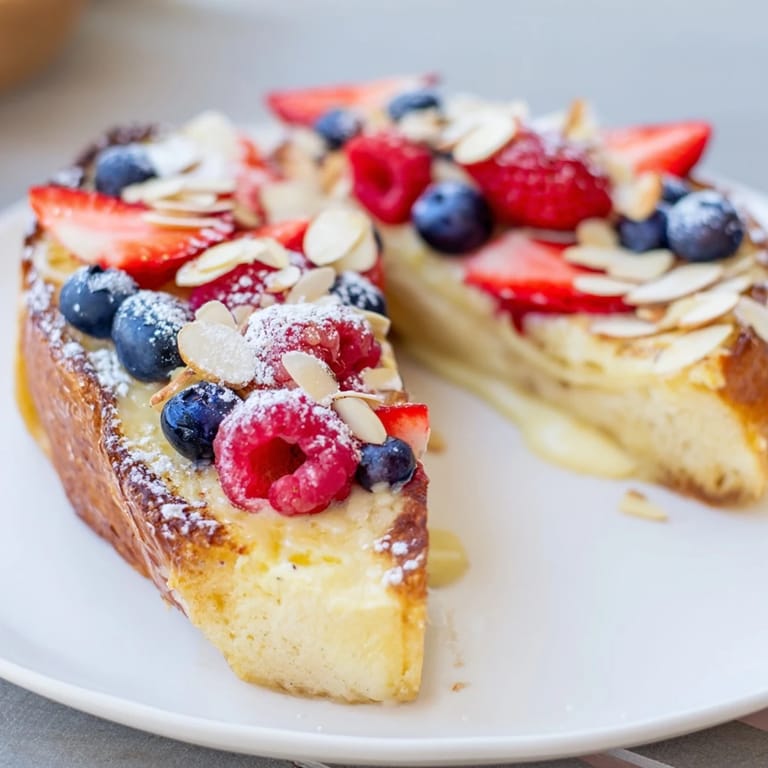
Save There's something almost meditative about Sunday mornings when everything slows down, and I started experimenting with custard toast on one of those lazy days when I had brioche that needed using up. The first attempt was honestly messy—egg dripping off bread, my spoon too aggressive—but when those golden slices came out of the oven, warm and custardy in the center with those crispy edges, I realized I'd stumbled onto something genuinely special. It's become my go-to when I want breakfast to feel a little fancy without pretending to be.
I made this for my partner one morning after they'd been up late working, and watching their face light up when they took the first bite reminded me why I love cooking breakfast. They asked if I'd learned it from some fancy bakery, and when I said no, just trial and error on a random Sunday, they went back for seconds. Those are the moments when a recipe becomes more than instructions—it becomes part of your kitchen story.
Ingredients
- 2 thick slices brioche or challah (about 1-inch thick): Use bread that's sturdy enough to hold the custard without falling apart, but rich enough that it soaks up all those flavors—challah and brioche are perfect because of their high egg and butter content.
- 1 large egg: This is your binding agent and what creates that creamy custard texture, so use a fresh egg if you can.
- 3 tbsp plain Greek yogurt: Greek yogurt replaces the heavy cream you'd normally use, keeping things lighter while still building that silky custard.
- 1½ tbsp honey or maple syrup: Either works beautifully; honey gives a floral sweetness while maple syrup feels earthier—pick whichever feels right that morning.
- ½ tsp vanilla extract: Just a whisper of vanilla deepens everything without announcing itself.
- Pinch of salt: This tiny amount makes all the other flavors pop and keeps the sweetness from being one-note.
- ½ cup mixed fresh berries (optional): Fresh berries add brightness and a little tartness that balances the richness of the custard.
- 1 tbsp sliced almonds or pistachios (optional): Nuts add textural contrast and a bit of sophistication, though they're truly optional.
- 1 tsp powdered sugar (optional): A light dusting at the end catches the light and makes everything look a little more polished.
Tired of Takeout? 🥡
Get 10 meals you can make faster than delivery arrives. Seriously.
One email. No spam. Unsubscribe anytime.
Instructions
- Warm up your oven:
- Set it to 375°F and line your baking sheet with parchment paper while it heats. This small step keeps your toast from sticking and makes cleanup effortless.
- Mix the custard:
- Whisk together the egg, yogurt, sweetener, vanilla, and salt in a small bowl until everything is completely smooth—no streaks of yogurt hiding at the bottom. The mixture should look silky and pourable.
- Create a well:
- Place your bread slices on the prepared sheet and gently press the back of a spoon into the center of each, creating a shallow depression that will hold the custard. Be gentle—you want a nest, not a hole that goes through.
- Fill with custard:
- Spoon or pour the mixture evenly into each well, letting it soak into the bread slightly. If you're using toppings, add berries and nuts now, pressing them gently so they stick.
- Bake until golden:
- Bake for 12 to 15 minutes, watching for the custard to just set and the bread edges to turn golden and crispy. You want the center still tender, not overcooked and rubbery.
- Finish and serve:
- Let the toast cool for just a minute, then dust with powdered sugar and drizzle with extra honey or syrup if you want. Serve warm, while the toast is still at that perfect temperature.
 Save
Save What made this recipe stick for me wasn't the first perfect attempt but the morning I over-soaked the bread and it came out more custard-cake than toast, and somehow that version was even better. I learned that day that cooking isn't about rigid perfection—it's about understanding what you're making well enough to adjust it to what your kitchen, your oven, and your taste buds actually want.
Flavor Builds You Can Try
Once you've made the basic custard toast a few times, it's fun to play with the custard mixture itself. A pinch of ground cinnamon or cardamom adds warmth, while lemon zest or orange zest brings brightness—I've even added a tiny splash of coffee extract for mornings when I'm craving something richer and more sophisticated. The yogurt base is forgiving, so small additions don't throw off the balance the way they might in other recipes.
Making It Your Own
I've learned that this recipe is surprisingly adaptable, which is part of what makes it so useful in rotation. Brioche is ideal, but challah works just as beautifully, and I've even used thick-cut sourdough when that's what I had on hand—it gives a different flavor but the same tender-crispy contrast. If you need it dairy-free, swap the Greek yogurt for a coconut or oat alternative and use a flax egg, and honestly, the result is barely different from the original.
Toppings and Finishing Touches
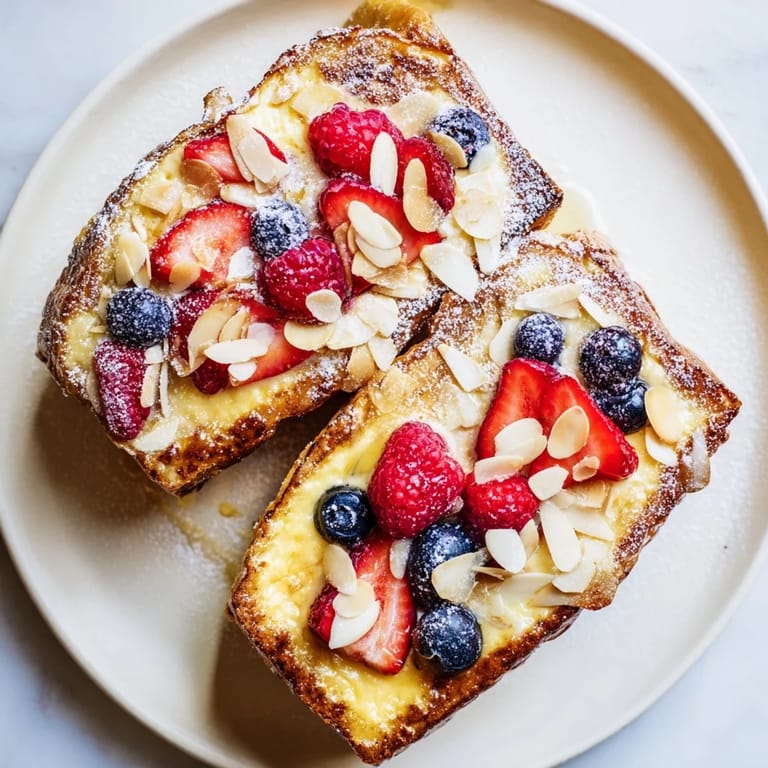
The berries and nuts are truly optional, but they transform this from a simple custard toast into something that looks like you put real effort in. I love using whatever's fresh and in season—strawberries in spring, raspberries in summer, or even sliced peaches in late summer when they're at their sweetest. A dollop of Greek yogurt or whipped cream on the side is never a bad idea either, especially if you want to feel a little decadent on a regular morning.
- Don't skip the powdered sugar dusting—it takes 5 seconds and makes everything look intentional.
- Serve within a few minutes of baking while the edges are still crispy; sitting around softens them.
- Leftover custard toast is actually good cold, though it's definitely better warm.
 Save
Save This recipe became a favorite not because it's complicated or fancy, but because it's genuinely simple, quick, and somehow feels more special than it has any right to be. Every time I make it, I'm reminded that the best recipes are the ones you want to make again.
Recipe Questions
- → What type of bread works best for this dish?
Thick slices of brioche or challah hold custard well due to their soft, slightly sweet texture. These breads absorb the custard without falling apart.
- → Can I use alternative sweeteners in the custard mix?
Yes, honey or maple syrup both add natural sweetness and enhance the custard's flavor nicely. Adjust quantity to taste.
- → How do I achieve a crisp outer crust with a soft center?
Baking at 375°F until the custard is set and edges turn golden ensures a crunchy exterior while preserving a tender, custard-filled middle.
- → Are there optional toppings to complement the custard toast?
Fresh mixed berries, sliced almonds or pistachios provide freshness and crunch. A sprinkle of powdered sugar and extra honey drizzled on top enhance sweetness and presentation.
- → Can this dish be adapted for dietary restrictions?
Use gluten-free bread and dairy-free yogurt alternatives for gluten or dairy sensitivity. A flax egg can replace the egg to make it egg-free while maintaining texture.