 Save
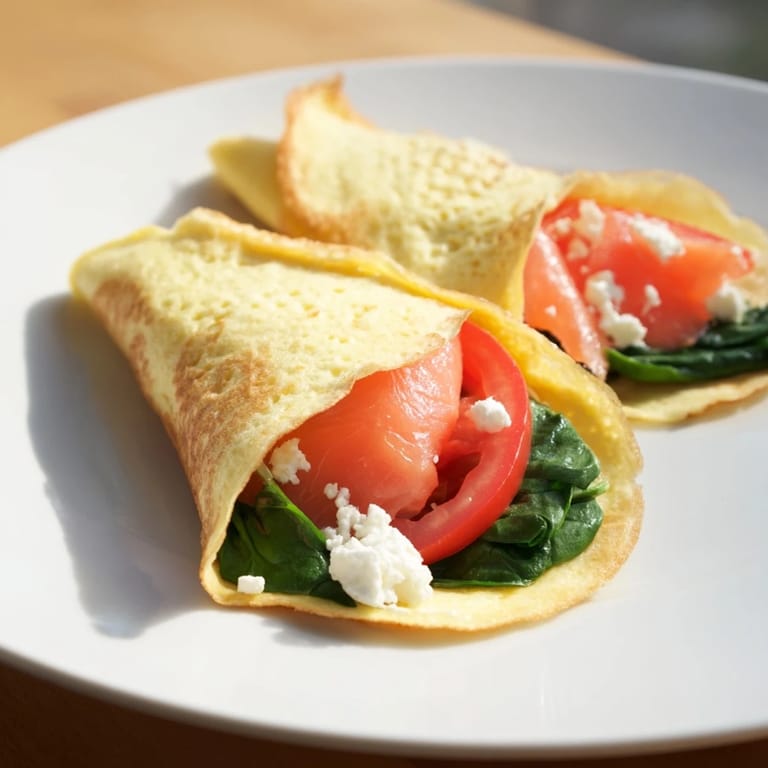
Save One morning, I was standing in front of my pantry with nothing but eggs and a blender, trying to figure out what could possibly be breakfast-worthy. My usual toast routine felt stale, and I wasn't in the mood for scrambled eggs again. Then it hit me—what if I blended those eggs into something lighter, something that could wrap around whatever I felt like eating? That first crepe came out wonky and lopsided, but the moment I filled it with some spinach and smoked salmon, I realized I'd stumbled onto something quiet and perfect.
I made these for my sister on a lazy Sunday morning when she showed up unannounced with fresh berries from the farmers market. She watched me blend the eggs with the skepticism people always have about simple ideas, but then took one bite of a crepe filled with spinach and salmon and gave me that look—the one that means you've just made something memorable. We ended up eating three rounds each, experimenting with different fillings like we were kids playing in the kitchen.
Ingredients
- Eggs: Use the largest ones you have; they blend into a silkier, more cohesive mixture than medium eggs, and that texture difference actually matters when you're aiming for a thin, delicate crepe.
- Water or milk: This lightens the egg batter and helps it spread thinner across the pan without tearing—I've learned that a splash of dairy-free milk works just as well if that's what you have.
- Salt and pepper: These tiny amounts season the base so your fillings don't have to do all the heavy lifting flavor-wise.
- Olive oil or butter: A light coating is all you need; too much and the crepe gets greasy instead of tender.
- Fillings: Pick whatever feels right—smoked salmon and dill, ham and cheese, avocado and tomato, or go full breakfast with crispy bacon and herbs.
Tired of Takeout? 🥡
Get 10 meals you can make faster than delivery arrives. Seriously.
One email. No spam. Unsubscribe anytime.
Instructions
- Blend until frothy:
- Crack your eggs into the blender with the liquid, salt, and pepper, then run it on high for about 30 to 45 seconds. You'll know it's ready when the mixture looks pale and bubbly—that foam is what makes the crepe tender instead of dense.
- Heat your skillet:
- Set a non-stick pan over medium heat and let it warm for a minute, then give it a light brush of oil or butter. The pan should be hot enough that a drop of batter sizzles on contact, but not so hot that it smokes.
- Pour and tilt:
- Pour half your egg mixture into the center of the skillet and immediately tilt and rotate the pan so the batter spreads into a thin, even layer that covers most of the bottom. It should coat in a matter of seconds, and that's exactly what you want.
- First side:
- Let it cook for 1 to 2 minutes without touching it. You'll see the edges start to look set and slightly opaque—that's when you know the bottom is cooked through and ready to flip without tearing.
- Flip and finish:
- Use a spatula to carefully flip the crepe and cook the other side for just 30 seconds or so. This side doesn't need much time since the real cooking happened on side one.
- Make the second crepe:
- Slide the first crepe onto a plate and repeat the whole process with the remaining batter, keeping the first crepe warm nearby.
- Fill and fold:
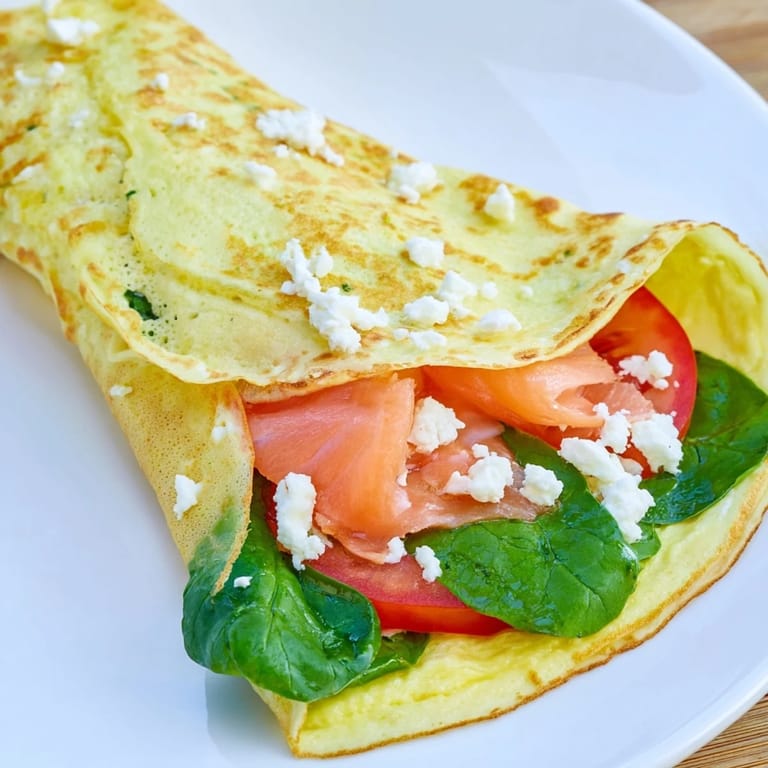
- Lay your crepe on a plate, arrange your fillings in a line down the center, and fold or roll it up to enclose everything. Serve while it's still warm, which is when the crepe is most flexible and the flavors feel alive.
 Save
Save There was this one weeknight when I made these for myself after a long day, filled one with leftover roasted vegetables and crumbled goat cheese, and sat at my kitchen table eating slowly while the light turned golden outside the window. It wasn't a special occasion or a meal I was making for anyone else—it was just me, taking 20 minutes to do something that felt nourishing and intentional. That's when I realized this recipe had become more than a quick breakfast idea; it was a permission slip to slow down.
Sweet or Savory, It All Works
The beautiful thing about a blender crepe is how it adapts to whatever mood you're in. On mornings when you want savory, go for smoked fish, fresh herbs, and tangy cheese. When you want something lighter, just add sautéed mushrooms and a sprinkle of chives. And if breakfast feels like it should be something sweeter, fill it with whipped yogurt, berries, and a drizzle of honey, and nobody would question calling it dessert instead.
Why Blending Actually Matters
The reason I blend instead of whisking is that a blender incorporates a ton of air into the eggs, which creates that light, almost delicate texture that makes a crepe feel special instead of just like a thin scrambled egg. You could whisk by hand, but it takes twice as long to get the same airiness, and honestly, the blender does it in less time than it takes to find a bowl and beaters.
Tips for Success Every Time
The pan temperature is the real secret here—too cool and your crepe will be thick and rubbery, too hot and it cooks before you can even spread it out. Medium heat on most stoves is the sweet spot, but you might need to adjust slightly depending on your cooktop. The good news is that once you make one or two, your hands learn the rhythm, and it becomes almost automatic.
- Let your blended batter rest for a minute or two if you have time; it helps the air bubbles settle into an even texture instead of creating weird thick spots.
- If a crepe tears during the flip, just fold it carefully—torn crepes still taste incredible and honestly look rustic and homemade, which is the whole point.
- Make your crepes fresh right before serving since they're best warm and flexible, but you can reheat them gently in a dry skillet for a few seconds if needed.
 Save
Save These crepes have become my go-to when I want to feel like I'm taking care of myself without the fuss. They remind me that sometimes the simplest ingredients, blended together with a little attention and patience, can turn a regular morning into something worth remembering.
Recipe Questions
- → How do I achieve a frothy egg mixture?
Blend eggs with a splash of water or milk on high speed for about 30–45 seconds until noticeably frothy and light.
- → What pan is best for cooking these crepes?
A non-stick skillet heated to medium works best to cook thin, even layers without sticking or tearing.
- → Can I make this wrap dairy-free?
Yes, use water or non-dairy milk and choose dairy-free fillings to keep it free from dairy.
- → What fillings complement the egg crepe well?
Popular fillings include baby spinach, smoked salmon, crumbled feta, sliced avocado, fresh herbs, and sweet options like berries or yogurt.
- → How thin should the crepes be cooked?
Pour just enough mixture to coat the skillet’s bottom in a thin, even layer, cooking until edges lift easily and bottom is set.
- → Can I prepare these crepes ahead of time?
They are best served fresh but can be kept wrapped and refrigerated briefly before adding fillings.